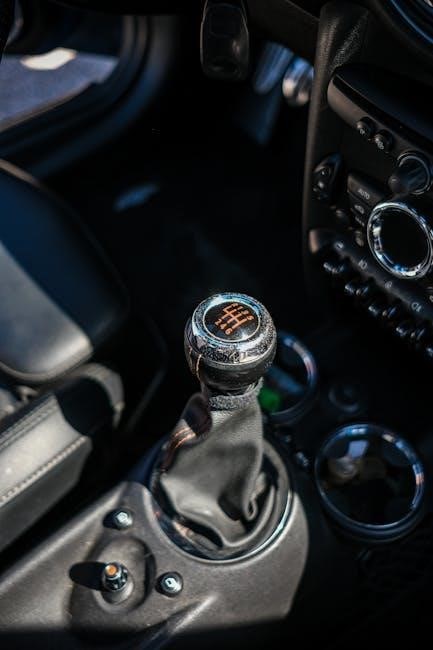
Dedicated manual transmission driving schools are experiencing a revival, offering specialized instruction for those seeking mastery of stick shift vehicles.
These academies, like Stick Shift Driving Academy, provide focused learning environments and expert guidance, catering to a growing interest in this skill.
With over 15,000 students trained since 2017, these schools are becoming vital for preserving and promoting the art of manual driving;
The Resurgence of Manual Driving
Despite the prevalence of automatic transmissions, a notable resurgence in interest surrounding manual driving is currently underway. This revival isn’t merely nostalgic; it’s fueled by a desire for enhanced vehicle control and a deeper connection with the driving experience.
Enthusiasts are actively seeking out specialized driving schools, like Stick Shift Driving Academy, to learn or refine their skills. This demand is driven by the availability of manual transmissions in many sports cars and high-performance vehicles, offering a unique and engaging driving dynamic.
The appeal extends beyond performance, with drivers appreciating the mechanical understanding gained through mastering a manual gearbox, contributing to a more immersive and rewarding driving journey.
Why Choose a Dedicated Manual School?
Opting for a dedicated manual transmission driving school provides a focused learning environment unavailable in general driving courses. These schools, such as Stick Shift Driving Academy, offer complete curriculums covering everything from basic clutch control to advanced maneuvers like parallel parking.
Crucially, many provide vehicles for practice, eliminating the risk of damaging your own car during the learning process. Instructors offer expert guidance in open practice areas, fostering confidence and skill development.
This specialized approach ensures a thorough understanding of manual driving techniques, leading to safer and more proficient drivers.

Benefits of Learning Manual Transmission
Mastering a manual transmission enhances vehicle control, deepens automotive understanding, and unlocks access to a wider range of driving experiences and vehicles.
Enhanced Vehicle Control
Learning manual transmission provides a significantly more connected driving experience, fostering a heightened sense of control over the vehicle. Unlike automatic systems, drivers actively manage gear selection and engine speed, demanding precise coordination and responsiveness.
This direct engagement cultivates a deeper understanding of the vehicle’s mechanics and allows for more nuanced control in various driving conditions, such as navigating challenging terrain or executing precise maneuvers.
The ability to choose the optimal gear for any situation empowers drivers to maximize efficiency and responsiveness, ultimately leading to a safer and more engaging driving experience.
Deeper Understanding of Automotive Mechanics
Mastering a manual transmission inherently necessitates a greater comprehension of how a vehicle functions internally. Drivers learn to actively manage the clutch, gears, and engine, gaining practical insight into the relationship between these components.
This hands-on experience transcends simply operating a vehicle; it fosters a deeper understanding of automotive mechanics, enabling drivers to diagnose potential issues and appreciate the intricacies of the powertrain.
Such knowledge can prove invaluable for vehicle maintenance and informed decision-making regarding repairs, ultimately enhancing ownership experience.
Access to a Wider Range of Vehicles
Proficiency in manual transmission unlocks access to a broader spectrum of vehicles, particularly those favored by driving enthusiasts. Many sports cars and high-performance automobiles are still exclusively offered with manual gearboxes, catering to drivers who prioritize control and engagement.
Learning to drive a stick shift expands automotive choices, allowing individuals to experience the thrill of driving classic cars and specialized models unavailable in automatic configurations.
This skill opens doors to a more diverse and rewarding driving experience, appealing to those seeking a deeper connection with their vehicle.
Finding the Right Manual Driving School
Selecting the ideal manual driving school requires careful consideration of location, instructor expertise, and the school’s overall reputation based on reviews.
Prioritize schools offering convenient access and qualified instructors to ensure a positive and effective learning experience.
Location and Accessibility
Choosing a conveniently located manual driving school significantly impacts your learning journey. Consider schools easily accessible by public transportation or with ample parking if you drive.
Proximity to familiar, low-traffic areas is beneficial for initial practice sessions, reducing anxiety and fostering confidence. A school’s operating hours are also crucial; ensure they align with your schedule.
Look for schools offering flexible lesson times to accommodate work or other commitments. Accessibility extends beyond physical location – a school with a user-friendly website and responsive communication is a plus.
Instructor Qualifications and Experience
Experienced instructors are the cornerstone of any successful manual transmission driving school. Seek instructors with a proven track record of teaching stick shift, demonstrating patience and clear communication skills.
Verify their certifications and ensure they possess a thorough understanding of vehicle mechanics and safe driving practices. A skilled instructor can quickly identify and address individual learning challenges.
Inquire about their experience with various vehicle types and driving conditions. Positive testimonials and a commitment to student success are strong indicators of instructor quality and dedication.
School Reputation and Reviews
Investigating a manual driving school’s reputation is crucial before enrolling. Online reviews and testimonials offer valuable insights into the experiences of previous students, revealing strengths and weaknesses.
Look for consistent positive feedback regarding instructor quality, curriculum effectiveness, and overall learning environment. Check for accreditation or affiliations with recognized driving organizations.
A school like Stick Shift Driving Academy has built a strong reputation, assisting over 15,000 learners. Consider the school’s longevity and community involvement as indicators of reliability and commitment.
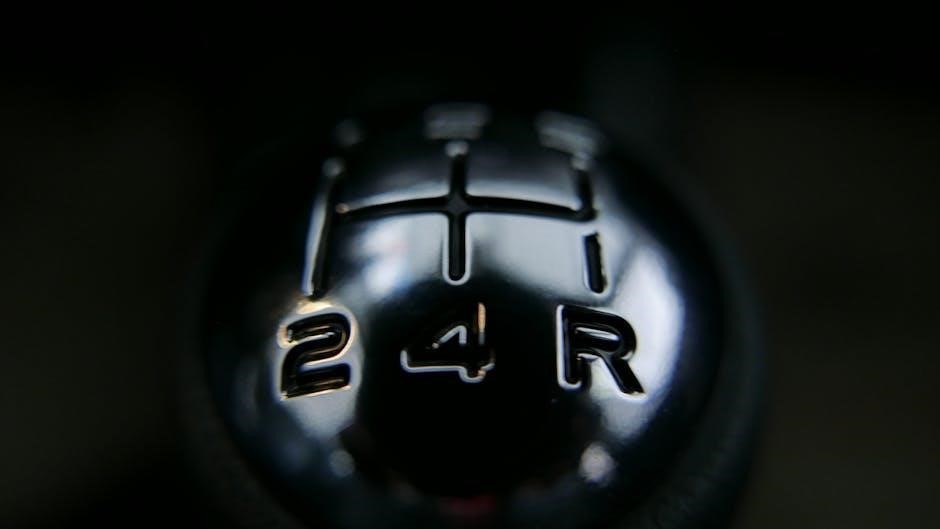
Curriculum and Lesson Structure
Comprehensive courses begin with clutch control and gear shifting, progressing to hill starts, smooth takeoffs, and advanced maneuvers like parallel parking.
Instructors cover upshifting, downshifting, and techniques for mastering complete vehicle control in various driving scenarios.
Basic Clutch Control and Gear Shifting
Initial lessons heavily emphasize mastering the coordination between the clutch pedal and gear selector – the foundation of manual driving. Students begin with stationary exercises, learning to find the ‘friction point’ where the engine engages.
Instructors guide learners through smooth gear changes, starting with first gear and gradually progressing through the entire range. Emphasis is placed on avoiding stalling and achieving seamless transitions between gears.
Practice occurs in a controlled environment, often an empty parking lot, allowing students to build confidence and muscle memory before encountering traffic.
Hill Starts and Smooth Takeoffs
Hill starts represent a significant challenge for new manual drivers, requiring precise coordination to prevent rolling backward. Driving schools dedicate substantial time to this maneuver, teaching techniques like using the handbrake for stability.
Students learn to smoothly transition from brake to accelerator while simultaneously releasing the clutch, maintaining control on inclines. Instructors emphasize quick footwork and anticipating the vehicle’s movement.
Smooth takeoffs from a standstill are also practiced extensively, focusing on minimizing jerking and achieving a controlled acceleration, building confidence and skill.
Upshifting and Downshifting Techniques
Mastering upshifting and downshifting is crucial for efficient and enjoyable manual driving; Schools emphasize timing and clutch control for seamless gear changes, avoiding jerky movements or engine strain.
Students learn to recognize optimal RPM ranges for upshifts, maximizing fuel efficiency and maintaining smooth acceleration. Downshifting techniques focus on matching engine speed to road speed, ensuring controlled deceleration.
Instructors guide learners through heel-toe downshifting (where applicable) and rev-matching, enhancing driving precision and vehicle responsiveness.
Advanced Maneuvers: Parallel Parking & 3-Point Turns
Successfully executing parallel parking and 3-point turns with a manual transmission demands precise clutch control and spatial awareness. Driving schools dedicate significant time to these challenging maneuvers.
Instructors break down each step, emphasizing smooth clutch engagement, steering adjustments, and throttle control to navigate tight spaces effectively. Students practice repeatedly in controlled environments.
The curriculum covers techniques for assessing parking space size, positioning the vehicle, and completing the maneuver without hitting obstacles, building confidence and skill.
Cost and Payment Options
Manual driving lesson costs vary, but schools often offer package deals and discounts to reduce the overall expense for students.
Flexible payment plans and potential financing options can make learning manual transmission more accessible to a wider range of individuals.
Average Lesson Costs
Determining the average cost of manual transmission driving lessons requires considering several factors, including location, lesson duration, and the school’s reputation. Generally, individual lessons can range from $75 to $150 per hour, though prices may fluctuate.
Many schools offer introductory packages, such as a three- or five-lesson bundle, which can provide a slight discount compared to booking individual sessions. Expect to invest between $300 and $750 for a basic introductory course, covering fundamental skills.
Specialized schools or those offering longer lesson times may charge higher rates, potentially exceeding $200 per session. It’s crucial to compare pricing structures and inquire about any hidden fees before committing to a program.
Package Deals and Discounts
Manual transmission driving schools frequently offer package deals designed to provide comprehensive training at a reduced overall cost. These packages typically bundle multiple lessons together, ranging from basic introductory courses to intensive skill-building programs.
Discounts are often available for students who pre-pay for a larger block of lessons, or for those who refer new clients to the school. Some schools may also offer seasonal promotions or discounts for specific demographics, like students or military personnel.
Exploring these options can significantly lower the total expense of learning to drive a manual vehicle, making the experience more accessible and affordable for aspiring drivers.
Payment Plans and Financing
Recognizing that the cost of driving lessons can be a significant investment, many manual transmission driving schools offer flexible payment plans to ease the financial burden. These plans typically involve breaking down the total cost into smaller, more manageable installments.
Some schools may partner with third-party financing companies to provide students with access to loans or credit options specifically designed for educational expenses. It’s crucial to carefully review the terms and conditions of any financing agreement.
Exploring these options ensures that learning to drive a manual transmission remains attainable for a wider range of individuals.
What to Expect During Your First Lesson
Your initial lesson will focus on vehicle familiarization, clutch and gear coordination exercises, and basic driving in a safe, controlled environment.
Instructors prioritize building a foundation for smooth operation and confident control of a manual transmission vehicle.
Vehicle Familiarization
The first step involves a comprehensive introduction to the specific vehicle you’ll be learning in, often provided by the driving school itself. Expect a detailed walkthrough of all essential controls, including the clutch pedal, gear stick, handbrake, and accelerator.
Instructors will explain the function of each component and how they interact, emphasizing the unique aspects of a manual transmission system. This initial phase aims to build comfort and confidence before even starting the engine, ensuring a solid understanding of the vehicle’s mechanics.
You’ll learn about the bite point of the clutch and how to locate it, a crucial skill for smooth starts and gear changes.
Clutch and Gear Coordination Exercises
Following vehicle familiarization, the focus shifts to mastering the delicate coordination between the clutch pedal and gear selector. Initial exercises typically involve practicing smooth engagement and disengagement of the clutch without stalling the engine.
Instructors guide students through finding the “bite point,” the precise position where the clutch begins to transmit power. Then, students practice shifting between first and second gear, concentrating on synchronizing pedal and lever movements.
These drills are performed in a controlled environment, like an empty parking lot, to build muscle memory and confidence.
Initial Driving in a Controlled Environment
After mastering basic clutch and gear coordination, students transition to their first driving experiences within a safe, controlled space – often an empty parking lot. This environment minimizes distractions and reduces pressure, allowing focus on fundamental skills.
Initial maneuvers involve starting from a standstill, practicing smooth acceleration, and maintaining a consistent speed. Instructors provide real-time feedback, correcting errors and reinforcing proper technique.
The goal is to build confidence and establish a solid foundation before venturing onto public roads.
Car Provided vs. Using Your Own Vehicle
Many schools, like Stick Shift Specialists, include a car for lessons, offering convenience and reducing wear on your personal vehicle.
However, practicing in your own car allows familiarity and accelerates skill development.
Advantages of School-Provided Cars
Utilizing a school-provided vehicle offers several key benefits for learners. Firstly, it eliminates the risk of damage or excessive wear and tear on your personal car during the initial learning phase, which can be particularly valuable.
Secondly, schools like Stick Shift Specialists ensure their vehicles are well-maintained and specifically suited for teaching manual transmission, providing a consistent and reliable learning experience.
Furthermore, it removes the logistical challenge of transporting your own vehicle to lessons, simplifying the process and allowing you to focus entirely on mastering the skills.
Benefits of Practicing in Your Own Car
While school cars are helpful, practicing in your own vehicle offers unique advantages. Familiarity with your car’s specific clutch feel, gear ratios, and overall handling characteristics accelerates learning and builds confidence.
This personalized experience translates directly to real-world driving scenarios, as you’ll be accustomed to the nuances of your vehicle.
Moreover, consistent practice in your own car reinforces the skills learned during lessons, fostering a deeper understanding and quicker mastery of manual transmission driving.
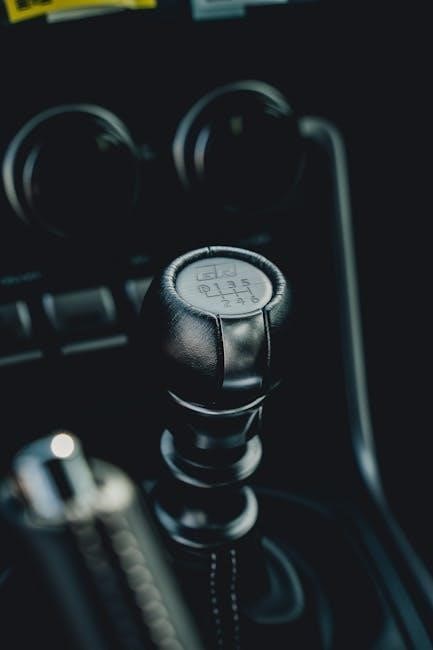
The Importance of Practice Beyond Lessons
Consistent practice is crucial for solidifying skills learned at a manual driving school; regular driving builds muscle memory and refines technique.
Finding suitable practice areas and adhering to a schedule are key to overcoming common mistakes and achieving proficiency.
Finding Suitable Practice Areas
Locating appropriate spaces for practice is paramount after completing lessons at a manual transmission driving school. Ideal areas include large, empty parking lots – often utilized by the schools themselves – offering a safe, controlled environment free from traffic hazards.
Quiet, lightly traveled industrial parks on weekends can also prove beneficial, allowing learners to focus on clutch control and gear changes without pressure. Avoid busy streets initially, prioritizing spaces where stalls or jerky movements won’t endanger others.
Gradually progress to inclines and varied road conditions as confidence grows, always prioritizing safety and responsible driving practices.
Regular Practice Schedule
Consistent practice is crucial for solidifying skills learned at a manual transmission driving school; sporadic attempts hinder progress. Aim for short, frequent sessions – 30-60 minutes several times a week – rather than infrequent, lengthy ones.
Establish a routine, incorporating various maneuvers like starting, stopping, shifting, and hill starts. Dedicate time to address specific weaknesses identified during lessons or independent practice.
Regularity builds muscle memory and reinforces proper technique, transforming conscious effort into instinctive action, ultimately fostering confident and proficient manual driving.
Common Mistakes and How to Avoid Them
New manual drivers often struggle with stalling, typically due to releasing the clutch too quickly or insufficient throttle. Practice smooth clutch engagement and coordinated footwork to mitigate this.
Another frequent error is “riding the clutch,” causing premature wear; fully depress the pedal during shifts. Incorrect gear selection, especially on hills, can also lead to issues.
Focus on listening to the engine and matching gear to speed. Consistent practice and mindful attention to these common pitfalls will accelerate skill development and build confidence.
Manual Transmission Car Rental Options for Practice
Renting a manual car offers valuable practice beyond lessons, though availability can be limited. Insurance coverage and rental costs should be carefully considered beforehand.
Rental Companies Offering Manual Vehicles
Finding rental companies offering manual transmission vehicles requires diligent searching, as they are becoming increasingly rare. Major companies like Enterprise, Avis, and Hertz often have limited or no manual options available in their standard fleets.
However, some smaller, local rental agencies or those specializing in enthusiast vehicles may still cater to drivers seeking this experience. Turo, a peer-to-peer car-sharing marketplace, frequently lists manual cars owned by individuals, providing a broader selection.
It’s crucial to check availability online or contact the rental company directly to confirm a manual transmission vehicle is guaranteed before making a reservation.
Cost of Renting a Manual Car
The cost of renting a manual transmission car varies significantly based on location, vehicle type, and rental company. Generally, expect to pay between $40 to $80 per day for a basic manual car, comparable to automatic rates.
However, specialty or sports cars with manual transmissions can easily exceed $150 or even $300 per day. Turo rentals often present a wider price range, influenced by the vehicle owner’s discretion.
Always factor in additional costs like insurance, mileage fees, and potential security deposits when calculating the total rental expense.
Insurance Considerations
When renting a manual transmission car for practice, carefully review your insurance coverage. Your personal auto insurance may not extend to rentals, especially if the rental is for driving practice.
Rental companies typically offer supplemental liability insurance (SLI) and collision damage waiver (CDW), adding to the overall cost.
Consider if your credit card provides rental car insurance benefits. Thoroughly understand the policy’s terms, including deductibles and exclusions, before declining coverage offered by the rental agency.
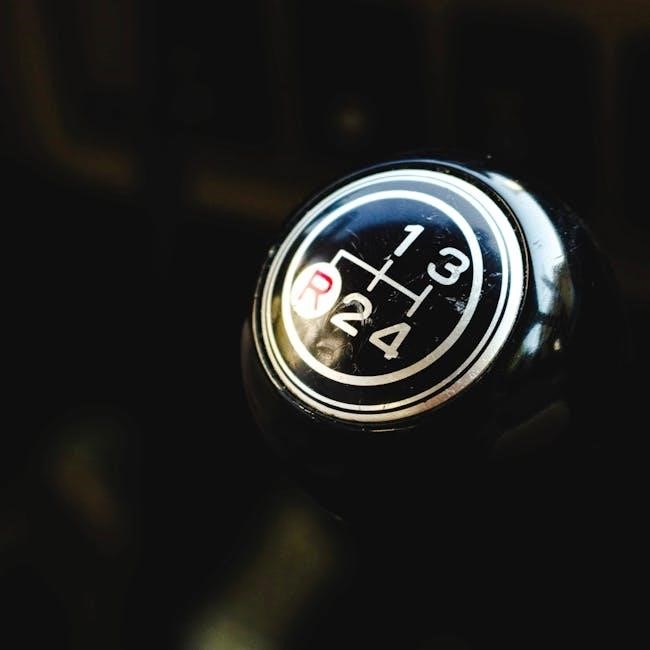
Specialized Manual Driving Schools: Stick Shift Specialists
Stick Shift specialists, established since 2017, boast extensive experience and unique methodologies, having successfully guided over 15,000 students to manual driving proficiency.
History and Experience of Specialist Schools
Specialized manual driving schools, like Stick Shift Driving Academy, emerged to address a growing niche – the desire to learn and preserve the skill of driving a manual transmission vehicle. While automatic transmissions gained dominance, these schools recognized a continued demand from enthusiasts and those seeking deeper vehicle control.
Founded in 2017, Stick Shift has rapidly grown, successfully training over 15,000 individuals. This experience allows them to refine their curriculum and teaching methods, focusing on practical skills and building driver confidence. Their longevity demonstrates a commitment to manual driving education in an evolving automotive landscape.
Unique Teaching Methodologies
Specialist manual driving schools distinguish themselves through focused, practical approaches. They often utilize a “complete curriculum,” covering everything from initial gear engagement to advanced maneuvers like parallel parking. A key element is providing a dedicated, open practice area – an empty parking lot – for students to build muscle memory without traffic pressures.
Furthermore, many schools, such as Stick Shift, include a vehicle as part of the lesson, removing the barrier of access for beginners. This hands-on, immersive style accelerates learning and fosters a deeper understanding of clutch and gear coordination.
Success Rates and Testimonials
Stick Shift specialists boast an impressive track record, having successfully trained over 15,000 individuals in the art of manual transmission driving since 2017. This substantial number speaks volumes about their effective teaching methodologies and dedicated instructors.
While specific pass rates aren’t always publicly advertised, the longevity and growth of these schools suggest high student satisfaction. Positive word-of-mouth and enthusiastic testimonials highlight the confidence gained and enjoyment experienced by learners mastering this valuable skill.
The Future of Manual Transmission Driving
Despite automation, demand for manual skills persists, fueled by enthusiast drivers and the preservation of classic vehicles; driving schools will play a crucial role.
Demand for Manual Driving Skills
Although automatic transmissions dominate the market, a dedicated segment of drivers actively seeks to learn and maintain manual driving proficiency. This demand stems from enthusiasts who appreciate the enhanced control and engagement offered by a stick shift.
Furthermore, many high-performance and classic sports cars are exclusively equipped with manual transmissions, creating a niche market for skilled drivers. Driving schools specializing in manual transmission are therefore positioned to cater to this enduring interest, ensuring the skill isn’t lost to automation.
The ability to drive a manual car remains a valuable asset for those seeking a more connected and rewarding driving experience.
Preservation of Manual Transmission Vehicles
The continued existence of classic and enthusiast vehicles with manual transmissions relies on a pool of drivers capable of operating them. As fewer new cars offer manual options, maintaining this skill becomes crucial for preserving automotive history and culture.
Manual driving schools play a vital role in this preservation effort by equipping new generations with the knowledge and confidence to enjoy these vehicles. They ensure these cars aren’t relegated to static displays, but remain actively driven and appreciated.
This proactive approach safeguards a significant part of automotive heritage.
The Role of Driving Schools in Maintaining the Skill
Driving schools specializing in manual transmissions are becoming increasingly important as the skill diminishes with fewer new cars offering a stick shift. They actively counteract this trend by providing focused instruction and building driver confidence.
These schools, like Stick Shift Driving Academy, offer complete curriculums, covering everything from basic clutch control to advanced maneuvers, ensuring a comprehensive learning experience.
Ultimately, they are key to keeping the art of manual driving alive.
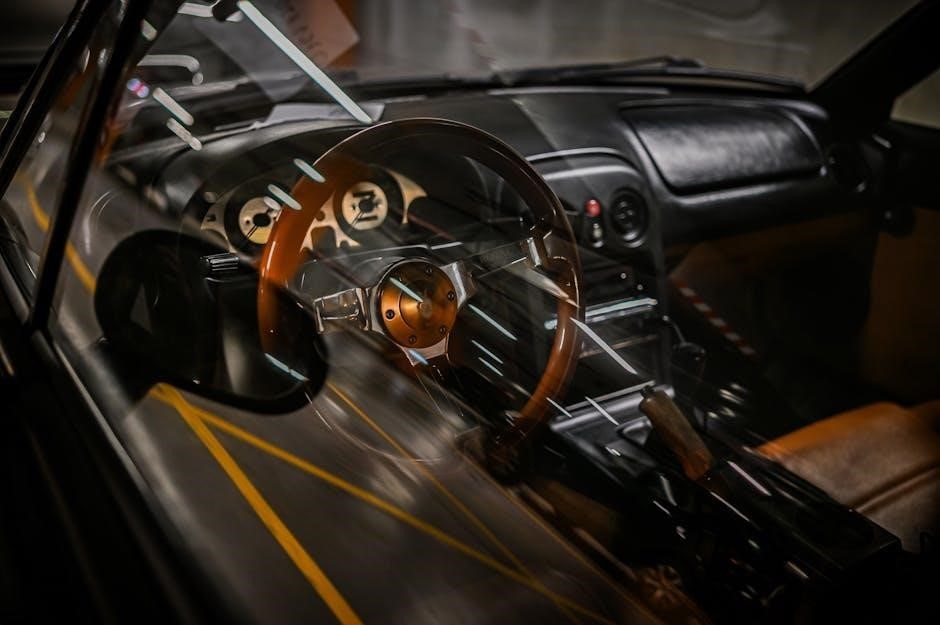
Resources for Further Learning
Supplement your lessons with online tutorials, driving manuals, and automotive forums to deepen your understanding of manual transmission techniques and vehicle mechanics.
These resources offer valuable insights and community support for continued skill development beyond formal instruction.
Online Tutorials and Videos
Numerous online platforms offer supplementary learning materials for aspiring manual transmission drivers. YouTube channels frequently host detailed tutorials covering clutch control, gear shifting, and troubleshooting common issues.
Websites dedicated to automotive education provide step-by-step guides and visual demonstrations, enhancing understanding beyond the driving school environment. These resources are particularly helpful for reinforcing concepts and practicing techniques at your own pace.
Many tutorials focus on specific maneuvers, like hill starts or parallel parking, offering targeted practice drills. Utilizing these digital tools can significantly accelerate your learning curve and build confidence.
Driving Manuals and Guides
Comprehensive driving manuals remain valuable resources for understanding the principles of manual transmission operation. These guides detail the mechanics of gearboxes, clutch engagement, and proper shifting techniques.
Many manuals include diagrams and illustrations to visually explain complex concepts, aiding comprehension for visual learners. Supplementing driving school lessons with manual study reinforces theoretical knowledge and prepares you for practical application.
Older editions can be particularly useful for understanding the fundamentals, while newer guides may cover modern vehicle technologies and safety features.
Automotive Forums and Communities
Online automotive forums and communities provide a platform for enthusiasts to share experiences, tips, and advice regarding manual transmission driving. These spaces offer a wealth of practical knowledge from seasoned drivers, complementing formal instruction.
Discussions often cover troubleshooting common issues, refining techniques, and finding suitable practice areas. Engaging with these communities fosters a supportive learning environment and allows for peer-to-peer guidance.
Seeking advice from experienced manual drivers can accelerate skill development and build confidence.