Ganesha Ashtottara Shatanamavali in Telugu: A Comprehensive Plan
This plan details accessing the Ganesha Ashtottara Shatanamavali in Telugu‚ specifically focusing on PDF resources. Several websites‚ like Stotra Nidhi and ePoojaStore‚ offer downloadable Telugu PDFs for convenient chanting and study.
The Ashtottara Shatanamavali is a revered practice in Hinduism‚ consisting of 108 sacred names of a deity. Specifically‚ the Ganesha Ashtottara Shatanamavali focuses on Lord Ganesha‚ the remover of obstacles and harbinger of good fortune. These names‚ when chanted with devotion‚ are believed to invoke Ganesha’s blessings and bestow spiritual growth upon the devotee.
For Telugu-speaking devotees‚ access to the Namavali in their native language is crucial for proper pronunciation and understanding. Fortunately‚ numerous online resources provide the Ganesha Ashtottara Shatanamavali in Telugu PDF format. These PDFs often include transliteration‚ meaning‚ and sometimes even audio pronunciations‚ making the practice accessible to a wider audience. Websites like Stotra Nidhi and others dedicated to Hindu stotras are key sources for these valuable texts. The availability of these PDFs facilitates daily spiritual practice and preserves this ancient tradition.
The Significance of 108 Names
The number 108 holds profound spiritual significance in Hinduism‚ deeply interwoven with cosmology and yogic practices. It’s considered a sacred number representing wholeness and the universe. In the context of the Ashtottara Shatanamavali‚ reciting 108 names isn’t merely a numerical exercise‚ but a complete offering to the deity.
Each of the 108 names of Lord Ganesha‚ available in Ganesha Ashtottara Shatanamavali in Telugu PDF formats‚ encapsulates a specific attribute or aspect of the divine. Chanting these names is believed to activate corresponding energies within the devotee‚ fostering a deeper connection with Ganesha. The repetition amplifies the power of each name‚ creating a potent spiritual vibration. Accessing these PDFs allows Telugu speakers to engage with this powerful practice‚ understanding the nuances of each name and its associated benefits‚ preserving the tradition for future generations.
Lord Ganesha: A Brief Overview
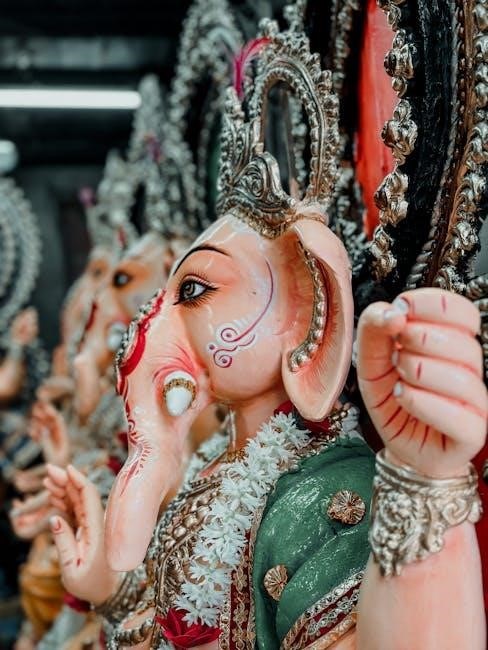
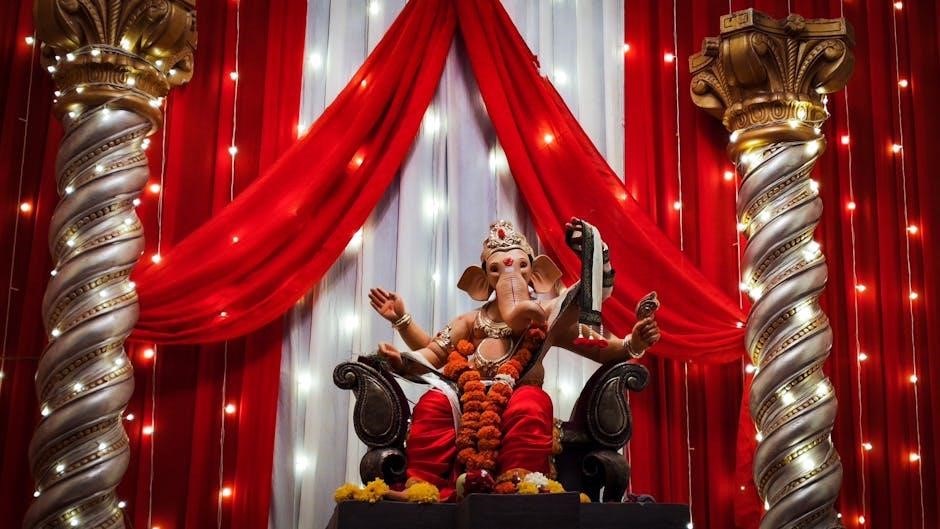
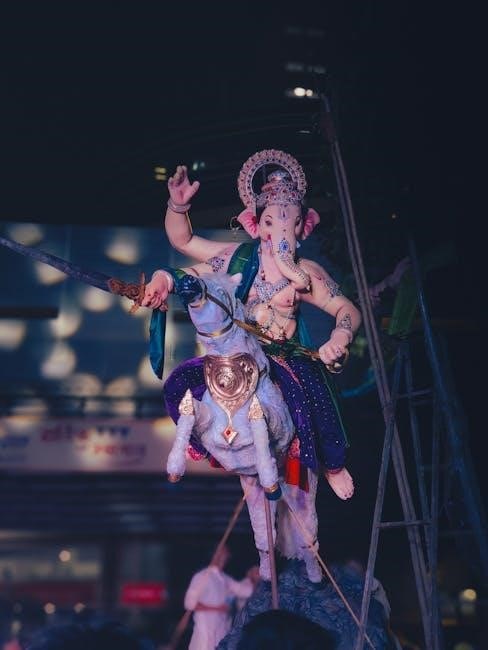
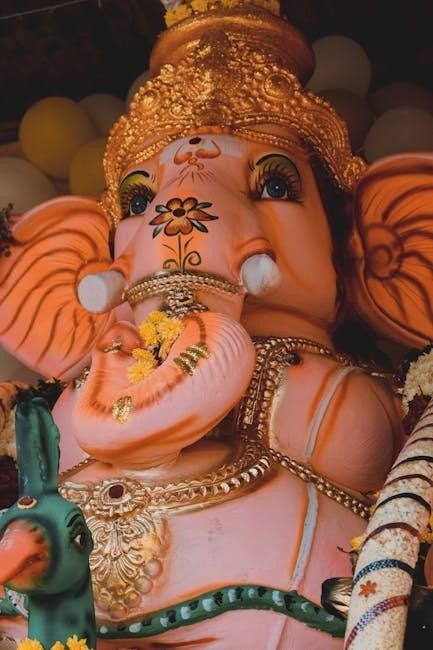
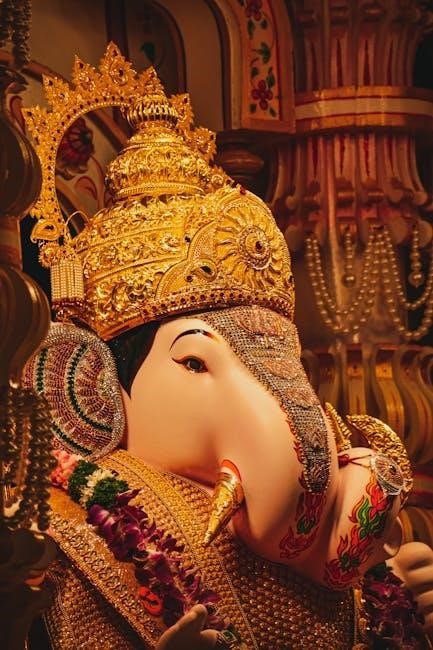
Lord Ganesha‚ the elephant-headed deity‚ is universally revered as the remover of obstacles and the god of beginnings. He embodies wisdom‚ intellect‚ and auspiciousness‚ making him the first deity worshipped in most Hindu rituals. Ganesha’s iconography symbolizes various aspects of existence‚ with his large head representing immense wisdom and his trunk signifying adaptability.
The Ganesha Ashtottara Shatanamavali in Telugu PDF provides a pathway to connect with these divine qualities through the recitation of his 108 names. These names highlight Ganesha’s multifaceted nature‚ from his role as the protector to his embodiment of pure consciousness. Studying and chanting these names‚ readily available in Telugu PDFs‚ allows devotees to invoke his blessings for success‚ prosperity‚ and spiritual growth. This practice is deeply rooted in Hindu tradition and accessible through digital resources.
Origins and Historical Context of the Namavali
The tradition of reciting the Ashtottara Shatanamavali – 108 names – dates back centuries within Hinduism‚ evolving as a devotional practice to connect with deities. While pinpointing the exact origin is challenging‚ the practice likely emerged from the Vedic tradition of invoking divine attributes through mantras and hymns.
The Ganesha Ashtottara Shatanamavali in Telugu PDF represents a regional adaptation of this ancient practice‚ translating the Sanskrit names into Telugu for wider accessibility. The availability of these PDFs demonstrates the continued relevance of this tradition in the digital age. Historical texts suggest the compilation of such namavalis gained prominence during the Bhakti movement‚ emphasizing personal devotion. Today‚ resources like Stotra Nidhi preserve and disseminate these sacred texts‚ ensuring their continued practice and study‚ readily available as downloadable PDFs.
Understanding the Telugu Script and Pronunciation
For those unfamiliar with Telugu‚ accessing the Ganesha Ashtottara Shatanamavali in Telugu PDF requires some understanding of the script and pronunciation. Telugu is a Dravidian language with its own unique alphabet‚ distinct from the Devanagari script commonly used for Sanskrit. Key features include vowel and consonant combinations‚ and specific symbols representing sounds not found in English.
Accurate pronunciation is crucial for effective chanting. Online resources and language learning apps can aid in mastering the Telugu sounds. When using a PDF‚ pay close attention to the vowel markings and consonant groupings. Resources often provide transliterations alongside the Telugu text‚ offering a guide for non-native speakers. Familiarizing yourself with basic Telugu phonetic rules will significantly enhance your ability to recite the names correctly and experience the full benefits of the Ashtottara Shatanamavali.
Sources for Authentic Telugu Texts
Locating authentic Ganesha Ashtottara Shatanamavali in Telugu PDF versions requires careful sourcing. Stotra Nidhi emerges as a prominent online repository‚ offering downloadable PDFs alongside other stotras and religious texts. ePoojaStore also provides access to various Telugu PDFs‚ including those dedicated to Lord Ganesha. Additionally‚ blogs like Ganesha-lord.blogspot.com host textual versions‚ though verifying their accuracy is essential.
When downloading‚ prioritize websites known for their commitment to traditional practices and scriptural accuracy. Cross-referencing multiple sources is highly recommended to ensure consistency in the names and their meanings. Be cautious of unofficial websites or those with unclear origins. Look for PDFs that include clear Telugu script‚ transliterations‚ and ideally‚ explanations of the names’ significance. Prioritizing reputable sources safeguards the integrity of your practice and ensures you’re working with an authentic text.
Different Versions of the Ganesha Ashtottara Shatanamavali
While the core essence remains consistent‚ variations exist in the Ganesha Ashtottara Shatanamavali in Telugu PDF versions available. These differences often stem from regional traditions or the specific lineage followed. Notably‚ the Gakara Ashtottara Shatanamavali focuses exclusively on names beginning with the letter ‘Ga’‚ a specialized subset of the complete 108 names.
Some PDFs may include additional verses or introductory prayers‚ while others present a more concise listing of the names. The formatting and transliteration styles can also vary. It’s crucial to recognize these nuances when comparing different versions. Stotra Nidhi and ePoojaStore may offer slightly differing arrangements. When selecting a PDF‚ consider your personal preference and whether you desire a comprehensive or focused rendition of the namavali. Authenticity remains paramount‚ regardless of the specific version chosen.
The Gakara Ashtottara Shatanamavali (Names starting with ‘Ga’)
The Gakara Ashtottara Shatanamavali represents a focused subset of the complete Ganesha Ashtottara Shatanamavali in Telugu PDF‚ comprising the 108 names of Lord Ganesha that begin with the letter ‘Ga’. This specialized namavali is often chanted independently for specific purposes or as part of a larger devotional practice. Resources like Ganapathi Gakara Ashtottara Shatanamavali in Telugu provide downloadable PDFs containing these names in Telugu script.

Chanting these ‘Ga’ names is believed to invoke particular blessings related to wisdom‚ auspicious beginnings‚ and the removal of obstacles. The PDF versions typically include the names in Telugu‚ along with transliterations to aid pronunciation. While shorter than the full 108 names‚ the Gakara Ashtottara holds significant devotional value. Practitioners often find it a manageable and potent practice‚ readily accessible through online Telugu PDF resources.

Structure of the Namavali: Sections and Organization
The Ganesha Ashtottara Shatanamavali in Telugu PDF generally follows a consistent structure‚ though variations exist between different versions. Typically‚ the 108 names are presented sequentially‚ often categorized by the initial syllable. While a strict sectional division isn’t always present‚ some PDFs may group names starting with the same vowel or consonant‚ like the ‘Gakara’ section.
Most PDFs begin with an invocation or dhyana shloka‚ setting the devotional mood. The core of the document then lists the 108 names in Telugu script‚ frequently accompanied by transliterations for non-Telugu speakers. Some versions include a brief explanation of each name’s meaning. Following the names‚ you might find a concluding verse or prayer. The organization aims to facilitate easy recitation and comprehension‚ making the PDF a practical tool for devotees seeking a structured approach to chanting.
Meaning and Interpretation of Key Names (Part 1)
Exploring the Ganesha Ashtottara Shatanamavali in Telugu PDF reveals profound meanings embedded within each name. For instance‚ “Sri Vighneshwara” signifies the Lord of Obstacles‚ but not as a creator of them‚ rather as one who removes them. “Ganapati” denotes the leader of the ganas‚ divine attendants. “Vinayaka” highlights his exceptional politeness and humility.
The Telugu PDF versions often provide literal translations and deeper interpretations. “Ekadantaya” refers to his single tusk‚ symbolizing strength and the ability to discern truth. “Lambodara” describes his prominent belly‚ representing the universe. Understanding these nuances enhances the devotional experience. Chanting with awareness of the name’s meaning amplifies its spiritual impact. These interpretations‚ readily available within the PDF resources‚ offer a pathway to connect with Lord Ganesha on a more profound level.
Meaning and Interpretation of Key Names (Part 2)
Continuing the exploration of the Ganesha Ashtottara Shatanamavali in Telugu PDF‚ further names reveal intricate symbolism. “Vakratunda” describes his curved trunk‚ representing the power to overcome obstacles and the ability to adapt. “Chaturbhuja” signifies his four arms‚ embodying dharma‚ artha‚ kama‚ and moksha – the four aims of life. “Lambakarna” refers to his large ears‚ symbolizing attentiveness and wisdom.
The Telugu PDF resources often elaborate on these attributes‚ linking them to philosophical concepts. “Vikata” denotes his unique and awe-inspiring form‚ beyond conventional beauty. “Kapila” signifies his reddish-brown hue‚ representing energy and vitality. Studying these names within the PDF context deepens understanding of Ganesha’s multifaceted nature. Chanting with mindful awareness of these meanings fosters a stronger connection and unlocks the transformative potential of the Namavali.
Benefits of Chanting the Ashtottara Shatanamavali
Regular chanting of the Ganesha Ashtottara Shatanamavali‚ readily available as a Telugu PDF‚ yields profound spiritual and worldly benefits. It’s believed to remove obstacles‚ fostering success in endeavors and promoting overall well-being. The PDF facilitates consistent practice‚ allowing devotees to easily access and recite the 108 names.
Chanting enhances intellect‚ improves concentration‚ and cultivates inner peace. It’s said to mitigate the negative effects of planetary influences and protect against misfortune. Accessing the Namavali through a Telugu PDF allows for correct pronunciation and understanding of the names’ meanings‚ amplifying their potency. Devotees report increased confidence‚ improved relationships‚ and a deeper connection with the divine. Consistent recitation‚ guided by the PDF‚ unlocks Ganesha’s blessings and paves the path to spiritual growth.
Preparation for Chanting: Rituals and Guidelines
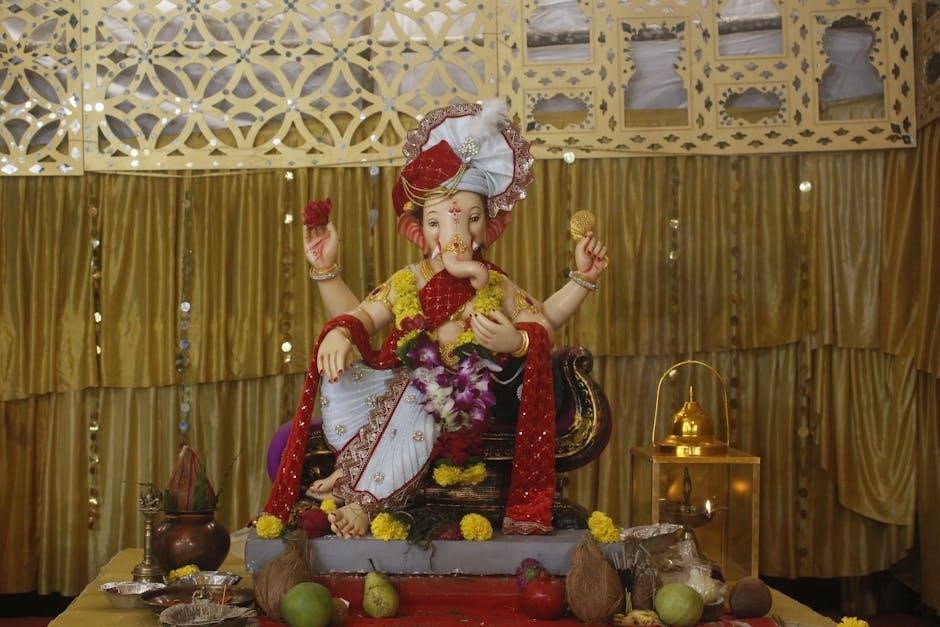
Before commencing the chanting of the Ganesha Ashtottara Shatanamavali‚ utilizing a Telugu PDF‚ proper preparation is essential. Begin with a purifying bath and wear clean‚ comfortable clothing. Find a quiet‚ serene space free from distractions. An altar adorned with a Ganesha idol or image is ideal‚ along with offerings like flowers‚ incense‚ and sweets.
Mentally prepare by focusing on Lord Ganesha and cultivating a devotional attitude. Review the Telugu PDF to familiarize yourself with the names and pronunciation. A brief meditation session can enhance concentration. Some practitioners perform a small puja before chanting‚ invoking Ganesha’s blessings. Ensure the PDF is readily accessible and well-lit. Maintaining a respectful and focused mindset throughout the chanting process is crucial for maximizing its benefits.
The Correct Method of Recitation
When reciting the Ganesha Ashtottara Shatanamavali using a Telugu PDF‚ proper pronunciation is paramount. Each name should be uttered clearly and respectfully‚ paying attention to the nuances of the Telugu script. Begin by invoking Lord Ganesha’s presence with a simple prayer. Follow the order of names as presented in the PDF‚ chanting each name 108 times for a full recitation.
Maintain a consistent rhythm and focus on the meaning of each name. Using a mala (rosary) can aid in counting repetitions. If unfamiliar with Telugu pronunciation‚ listen to audio recordings alongside the PDF to ensure accuracy. Chanting can be done silently or aloud‚ depending on personal preference. The key is sincere devotion and mindful repetition; Avoid distractions and maintain a peaceful state of mind throughout the recitation.
Frequency and Timing of Chanting
Regarding the Ganesha Ashtottara Shatanamavali in Telugu‚ the frequency of chanting is flexible‚ adapting to individual schedules and devotion. Daily recitation‚ even a portion of the 108 names from a PDF‚ is highly beneficial. Many devotees choose to chant during auspicious times‚ such as mornings before sunrise or evenings after sunset. Tuesdays‚ considered sacred to Lord Ganesha‚ are particularly favorable.
However‚ consistency is more crucial than strict adherence to specific timings. Utilizing a Telugu PDF allows for convenient chanting anytime. Some prefer reciting the entire Namavali weekly or monthly. During special occasions like Ganesh Chaturthi‚ increased frequency is common. Listen to your intuition and choose a schedule that feels comfortable and sustainable. The intention and sincerity behind the chanting are more important than the precise timing or frequency.
Combining Chanting with Puja (Worship)
Integrating the Ganesha Ashtottara Shatanamavali in Telugu with Puja enhances the devotional experience. Before commencing Puja‚ download and utilize a Telugu PDF of the Namavali for easy access to the 108 names. Begin by invoking Lord Ganesha with a traditional prayer‚ followed by chanting the Ashtottara Shatanamavali as an integral part of the worship ritual.
Offer flowers‚ incense‚ and sweets while reciting the names from the PDF. Visualize Lord Ganesha with each name‚ deepening your connection. The chanting can accompany the offering of each name as a mantra. After the Namavali‚ conclude with an Aarti and prayers for blessings. This combined practice amplifies the spiritual benefits‚ fostering devotion and seeking divine grace. The Telugu PDF ensures accurate pronunciation and understanding during the Puja.
Availability of Telugu PDF Resources Online
Numerous online platforms offer the Ganesha Ashtottara Shatanamavali in Telugu as downloadable PDF resources. Stotra Nidhi is a prominent source‚ providing a Telugu PDF alongside other stotras like the Trishati and Sahasranamavali. ePoojaStore also lists various Namavalis‚ including the Vinayaka and Vigneshwara Ashtottara Shatanamavalis‚ available in Telugu PDF format.
Websites like Ganesha-lord.blogspot.com host the text‚ though direct PDF downloads may require further searching. These resources cater to devotees seeking convenient access for chanting and study. Ensure the PDF is clearly legible and accurately transcribed in Telugu script. Regularly updated archives and digital libraries also frequently contain these sacred texts. Utilizing these online PDF resources facilitates widespread access to this powerful devotional practice‚ preserving and sharing this spiritual heritage.
Reputable Websites for Downloading the PDF
When seeking a Ganesha Ashtottara Shatanamavali Telugu PDF‚ prioritize established and trusted websites. Stotra Nidhi (stotranidhi.org) consistently ranks as a reliable source‚ offering well-formatted PDFs of various Namavalis‚ including Ganesha’s. ePoojaStore (epoojaastore.com) is another reputable option‚ providing downloadable PDFs alongside puja materials and related services.
Ganesha-lord.blogspot.com‚ while a blog‚ hosts the text and can be a starting point‚ but verify the transcription. Look for sites with clear copyright information and a history of providing accurate religious texts. Avoid unfamiliar or recently created websites. Always scan downloaded PDF files with antivirus software. These platforms generally ensure the authenticity and readability of the Telugu script‚ facilitating a meaningful devotional experience. Prioritizing these sources safeguards against inaccuracies and potential security risks.
Checking the Authenticity of PDF Texts
Verifying the authenticity of a Ganesha Ashtottara Shatanamavali Telugu PDF is crucial for accurate recitation and devotional practice. Compare the downloaded text with known‚ reliable sources like those found on Stotra Nidhi or by consulting with Telugu-speaking priests or scholars.
Pay close attention to the transliteration and the Telugu script itself. Inconsistencies in name spellings or grammatical errors are red flags. Cross-reference key names (shlokas) with established versions. Look for the publisher’s information within the PDF; reputable sources will clearly identify themselves. Be wary of PDFs lacking source attribution. If possible‚ compare multiple PDFs to identify discrepancies. A genuine text will align with traditional interpretations and maintain consistency throughout. Prioritize PDFs from established religious organizations or scholarly projects to ensure accuracy and avoid misinterpretations.
Printing and Preservation of the PDF
Once you’ve verified the authenticity of your Ganesha Ashtottara Shatanamavali Telugu PDF‚ proper printing and preservation are essential for long-term use. Opt for high-quality paper to ensure readability and durability. Consider a laser printer for sharper text and resistance to fading. When printing‚ select a font size that is comfortable for reading during chanting.
For preservation‚ store the printed copy in a clean‚ dry place‚ away from direct sunlight and humidity. Create a digital backup of the PDF on multiple devices – a computer‚ external hard drive‚ and cloud storage – to safeguard against data loss. Regularly check the digital file to ensure it remains accessible. Consider laminating a copy for increased protection against wear and tear during frequent handling. This ensures the sacred text remains available for generations of devotional practice.

Comparison with Other Ganesha Stotras
The Ganesha Ashtottara Shatanamavali‚ available in Telugu PDF format‚ differs in scope from other popular Ganesha stotras like the Trishati (300 names) and Sahasranamavali (1000 names). While the Trishati and Sahasranamavali offer more extensive lists of names‚ the Ashtottara Shatanamavali’s 108 names provide a concise yet powerful devotional practice.
Compared to shorter stotras or simple mantras‚ the Ashtottara Shatanamavali offers a richer exploration of Ganesha’s attributes. It’s a balanced option for those seeking a moderately lengthy‚ comprehensive prayer. Resources like Stotra Nidhi provide access to all three – Ashtottara‚ Trishati‚ and Sahasranamavali – in Telugu‚ allowing devotees to choose based on their time and preference. The Telugu PDF versions facilitate easy access and consistent recitation of these sacred texts‚ enhancing spiritual practice.
Ashtottara vs. Trishati vs. Sahasranamavali
When considering Ganesha stotras in Telugu PDF format‚ understanding the differences between the Ashtottara (108 names)‚ Trishati (300 names)‚ and Sahasranamavali (1000 names) is crucial. The Ashtottara Shatanamavali offers a manageable length for daily practice‚ focusing on core attributes. Websites like Stotra Nidhi provide all three versions in Telugu‚ catering to diverse devotional needs.
The Trishati expands upon the Ashtottara‚ offering a more detailed exploration of Ganesha’s qualities‚ while the Sahasranamavali represents the most comprehensive listing. Choosing depends on time commitment and desired depth of worship. Telugu PDFs of each stotra are readily available online‚ enabling consistent recitation. The Ashtottara is often preferred for its brevity and accessibility‚ making it ideal for beginners or those with limited time‚ while the others offer a more immersive experience.
The Role of the Namavali in Daily Spiritual Practice
Integrating the Ganesha Ashtottara Shatanamavali‚ readily available as a Telugu PDF‚ into daily spiritual practice fosters a deeper connection with the deity. Chanting these 108 names cultivates positive energy‚ removes obstacles‚ and promotes wisdom. Many devotees incorporate it into their morning rituals or before undertaking important tasks.
The Telugu PDF format allows for convenient access and recitation‚ even for those unfamiliar with traditional Sanskrit pronunciation. Regular chanting‚ alongside Puja (worship)‚ amplifies its benefits. Resources like Stotra Nidhi and ePoojaStore provide easily downloadable PDFs. The Namavali isn’t merely a recitation; it’s a meditative practice‚ a form of japa‚ that stills the mind and opens the heart. Consistent practice‚ guided by authentic Telugu texts‚ strengthens faith and invites divine grace into daily life.
Addressing Common Questions and Misconceptions

A frequent question concerns the authenticity of Telugu PDFs for the Ganesha Ashtottara Shatanamavali. It’s crucial to source from reputable websites like Stotra Nidhi and verify the text against known translations. Some worry about pronunciation; utilizing a PDF with transliteration can assist.
A misconception is that chanting requires perfect Sanskrit – the devotional intent is paramount. Another concern is the time commitment; even reciting a few names daily yields benefits. Downloading a Telugu PDF doesn’t replace understanding the names’ meanings. It’s a tool to facilitate practice. Beware of PDFs with inconsistent formatting or errors. Authentic texts‚ often found on dedicated stotra websites‚ ensure accurate recitation and a meaningful spiritual experience. Prioritize quality over convenience when selecting a PDF resource;
Future Trends in Digital Preservation of Stotras
The digital preservation of the Ganesha Ashtottara Shatanamavali in Telugu‚ and stotras generally‚ is evolving. We anticipate increased use of Optical Character Recognition (OCR) to convert scanned‚ older Telugu texts into searchable PDFs‚ improving accessibility. Blockchain technology could verify the authenticity of digital stotra texts‚ combating inaccuracies.
Interactive PDFs‚ incorporating audio pronunciations in Telugu‚ are likely to become more common. Machine translation advancements may offer more accurate English interpretations alongside the Telugu text. Cloud-based storage will ensure long-term preservation‚ mitigating data loss. Community-driven projects‚ crowdsourcing corrections and translations‚ will enhance quality. Expect more mobile applications dedicated to stotra recitation‚ featuring downloadable Telugu PDFs and personalized chanting schedules. These trends aim to make ancient wisdom readily available and safeguard it for future generations.
Community Resources and Online Forums
Several online platforms foster a community around the Ganesha Ashtottara Shatanamavali in Telugu and related spiritual practices. Dedicated Facebook groups and WhatsApp communities allow devotees to share PDFs‚ discuss interpretations‚ and seek clarification on pronunciation. Online forums‚ though less specific to this particular stotra‚ often host threads on Hindu scriptures and Telugu devotional texts.
Websites like Stotra Nidhi‚ while primarily repositories‚ often have comment sections where users exchange information. ePoojaStore may also feature user reviews or forums. Look for Telugu language blogs and websites dedicated to Hindu rituals‚ as they frequently link to downloadable PDFs and offer guidance. These communities are invaluable for verifying PDF authenticity‚ discovering rare versions‚ and connecting with fellow practitioners. Active participation can significantly enrich your understanding and practice.
The Ganesha Ashtottara Shatanamavali in Telugu‚ readily accessible through numerous PDF resources online‚ continues to be a potent spiritual tool for devotees. Its enduring power lies in the devotional resonance of each name‚ offering a pathway to connect with Lord Ganesha’s blessings. The availability of Telugu PDFs ensures wider accessibility‚ preserving this ancient tradition for future generations.
Whether chanted daily‚ incorporated into puja rituals‚ or studied for its profound meanings‚ the Namavali’s impact is deeply personal and transformative. Platforms like Stotra Nidhi and ePoojaStore facilitate this connection‚ providing convenient access to authentic texts. The digital preservation of these stotras is crucial‚ ensuring their continued relevance in a rapidly evolving world. Embracing this practice fosters spiritual growth and strengthens the devotee’s bond with the benevolent Ganesha.
Appendix: List of Websites with Telugu PDFs
Below is a curated list of websites offering the Ganesha Ashtottara Shatanamavali in Telugu PDF format. These resources provide convenient access for devotees seeking to engage with this sacred text.
- Stotra Nidhi: http://stotranidhi.com/ – Offers both Sri Vinayaka and Sri Ganesha Ashtottara Shatanamavali in Telugu‚ alongside other stotras and religious texts.
- ePoojaStore: https://epoojaastore.com/ – Provides access to various Ashtottara Shatanamavalis‚ including options for Ganesha‚ in Telugu.
- Ganesha-lord.blogspot.com: http://ganesha-lord.blogspot.com/ – Features Ganesha Ashtottara Sata Namavali Telugu Lyrics (Text) and script.
Please exercise caution and verify the authenticity of any downloaded PDF before use. These links were current as of today’s date‚ but website availability may change.