Tour du Mont Blanc Self-Guided Tour: A Comprehensive Plan
Embark on an unforgettable adventure! This guide details planning a self-guided trek around Mont Blanc, experiencing three countries, stunning vistas, and charming mountain refuges.
The Tour du Mont Blanc (TMB) is a legendary multi-day hiking trail circling the Mont Blanc massif, Western Europe’s highest peak. This iconic route traverses through France, Italy, and Switzerland, offering breathtaking alpine scenery and a unique cultural experience. Typically completed over 11 days, the TMB attracts hikers from around the globe seeking a challenging yet rewarding adventure.
It’s renowned for its diverse landscapes, from lush valleys and wildflower meadows to rugged mountain passes and glacial terrain; The trail provides access to charming villages, welcoming mountain huts (refuges), and opportunities to savor local cuisine. A self-guided tour allows for flexibility and independence, letting you explore at your own pace and immerse yourself fully in the beauty of the Alps.
What Makes a Self-Guided TMB Tour Appealing?
A self-guided TMB tour offers unparalleled freedom and personalization. Unlike organized group treks, you dictate your pace, daily distances, and rest stops; This independence allows for spontaneous detours to explore hidden gems or linger longer in particularly scenic spots. You’re also free to choose accommodations that suit your preferences, from rustic refuges to comfortable hotels in villages.
The experience fosters a deeper connection with the environment and local culture. Planning your own itinerary encourages research and a more immersive understanding of the region. Enjoy fresh-baked treats at high huts and the satisfaction of navigating the trail independently, creating a truly memorable adventure.
Best Time to Hike the Tour du Mont Blanc
The prime hiking season for the Tour du Mont Blanc is from June to September. July and August offer the warmest temperatures and lowest chance of snow at higher elevations, but also experience the highest crowds. June and September provide a quieter experience, though conditions can be more variable.
Be prepared for unpredictable mountain weather. Even in summer, sudden storms and temperature drops are possible. Snow can linger at higher passes into July. Careful monitoring of forecasts is crucial. Shoulder seasons (June/September) require greater flexibility in your itinerary due to potential trail closures or challenging conditions.
Seasonal Considerations (June ⎻ September)
June presents a transition period, with melting snow and potential trail closures at higher altitudes. Wildflowers bloom beautifully, but expect cooler temperatures and possible rain. July and August are peak season, boasting warmer weather, longer daylight hours, and fully operational refuges – but also significant crowds on popular sections.
September offers a delightful balance, with fewer hikers and pleasant temperatures; However, some refuges may begin to close towards the end of the month, and the risk of early snowfall increases. Careful planning is essential to ensure accommodation availability and trail accessibility throughout each month.
Weather Patterns and Potential Challenges
Mountain weather is notoriously unpredictable. Expect rapid changes, even within a single day. Sunshine can quickly turn to rain, fog, or even snow, regardless of the season. Afternoon thunderstorms are common, particularly in July and August, demanding early starts and awareness of approaching weather systems.
Potential challenges include navigating snow patches (especially in June and September), dealing with strong winds at higher elevations, and managing exposure to intense sun. Proper layering of clothing and carrying waterproof gear are crucial for staying comfortable and safe. Always check the forecast before setting out each day.
TMB Route Options & Variations
The Tour du Mont Blanc offers flexibility for different fitness levels and time constraints. The classic circuit typically takes 11 days/10 nights, circumnavigating the entire Mont Blanc massif. Shorter variations, spanning 7-8 days, focus on the most scenic sections, often utilizing lift access to bypass challenging climbs.
Hikers can also choose between a “High Route” – more demanding, with greater elevation gain and exposure – and a “Valley Route” – gentler, following lower paths. Route choices impact daily distances and accommodation options, requiring careful planning based on personal preferences and abilities.
Classic TMB Route (11 Days/10 Nights)
The traditional 11-day TMB circuit is a comprehensive experience, traversing France, Italy, and Switzerland. It typically begins in Les Houches or Chamonix, ascending through stunning alpine landscapes. Daily stages average 10-15km (6-9 miles) with significant elevation gain, demanding good fitness.
Expect varied terrain, from lush valleys to rocky passes, and overnight stays in charming refuges or gîtes. Key highlights include the Col de Balme, Lac Combal, and the Grand Col Ferret. This route provides a complete immersion into the Mont Blanc region’s beauty and culture.
Shorter Variations (7-8 Days)
For hikers with limited time, shorter TMB variations offer a taste of the adventure. These typically focus on specific sections, like the French or Italian side, utilizing lifts and transport to bypass longer stages. A popular 7-day option concentrates on the Chamonix to Courmayeur and back loop, showcasing iconic views.
These condensed routes require careful planning to maximize enjoyment and minimize backtracking. While sacrificing the full circuit, they still deliver breathtaking scenery and a challenging, rewarding experience. Expect longer daily distances and potentially busier trails during peak season.
High Route vs. Valley Route
The Tour du Mont Blanc presents choices in elevation gain and technical difficulty. The classic route balances both, but variations exist. The “High Route” prioritizes challenging ascents and traverses, offering panoramic views and a more remote experience, demanding excellent fitness and sure footing.
Conversely, the “Valley Route” utilizes lower-altitude paths, reducing strenuous climbs and providing easier walking. This option is suitable for less experienced hikers or those preferring a less demanding trek. However, it may involve more road walking and less dramatic scenery compared to the high-altitude alternatives.
Fitness Level Required for the TMB
The Tour du Mont Blanc is a demanding trek requiring a good level of physical fitness. Hikers should be comfortable walking for 6-8 hours daily, over varied terrain, with significant elevation gain and loss. Prior experience with multi-day backpacking is highly recommended.
Regular cardiovascular exercise, such as hiking, running, or cycling, is crucial in the months leading up to the trek. Strength training, focusing on legs and core, will also prove beneficial. Being able to comfortably carry a 40-50L backpack for extended periods is essential for a successful and enjoyable TMB experience.
Essential Gear Checklist
Packing strategically is vital for a comfortable TMB experience. A well-fitted 40-50L backpack is fundamental, alongside waterproof and breathable layers to combat variable mountain weather. Prioritize lightweight, quick-drying clothing; Sturdy, broken-in hiking boots or trail runners are crucial for foot protection.
Don’t forget essentials like a headlamp, sunscreen, hat, sunglasses, first-aid kit, blister treatment, and a reusable water bottle or hydration reservoir. Trekking poles significantly aid stability and reduce strain. A detailed map, compass (or GPS device), and sufficient food supplies complete the core gear list.
Backpacking Essentials (40-50L Pack)
Your 40-50L backpack will be your home on the trail, so pack wisely! Prioritize lightweight items. Include a waterproof backpack cover, a sleeping bag liner for refuge hygiene, and a quick-drying towel. Essential clothing includes moisture-wicking base layers, insulating mid-layers (fleece or down), and a waterproof/windproof outer shell.
Don’t overlook a headlamp with extra batteries, a first-aid kit tailored for hiking, sunscreen, insect repellent, and a multi-tool or knife. Carry repair tape, a portable charger for electronics, and a reusable food container to minimize waste; Comfortable hiking socks are non-negotiable!
Clothing Layers for Variable Weather
Mont Blanc’s weather is notoriously unpredictable; layering is crucial! Start with moisture-wicking base layers (synthetic or merino wool) to regulate temperature. Add an insulating mid-layer – fleece or a lightweight down jacket – for warmth. A waterproof and windproof outer shell jacket and pants are essential, even in summer, to protect against sudden storms.
Pack warm hat and gloves, even if the forecast looks good. Consider bringing hiking pants that convert to shorts for warmer days. Don’t forget comfortable hiking socks to prevent blisters, and bring extra pairs! Prepare for sunshine, rain, and even snow at higher altitudes.
Footwear: Boots vs. Trail Runners
Choosing the right footwear is vital for comfort and safety. Traditional hiking boots offer excellent ankle support and protection on rocky terrain, ideal for heavier packs. However, they can be heavier and require more break-in time. Trail runners are lighter and more breathable, favored by experienced hikers with lighter loads and strong ankles.
Consider the terrain and your experience level. Ensure a snug fit with ample toe room to prevent blisters. Waterproofing is highly recommended. Invest in quality hiking socks, and thoroughly break in your chosen footwear before the trek to avoid painful surprises on the trail!
Accommodation Options on the TMB
The TMB offers diverse lodging choices. Refuges (mountain huts) are a classic experience, providing dorm-style accommodation and meals – booking well in advance is crucial! Gîtes and hotels in villages offer more privacy and comfort, but require careful itinerary planning to align with daily stages.
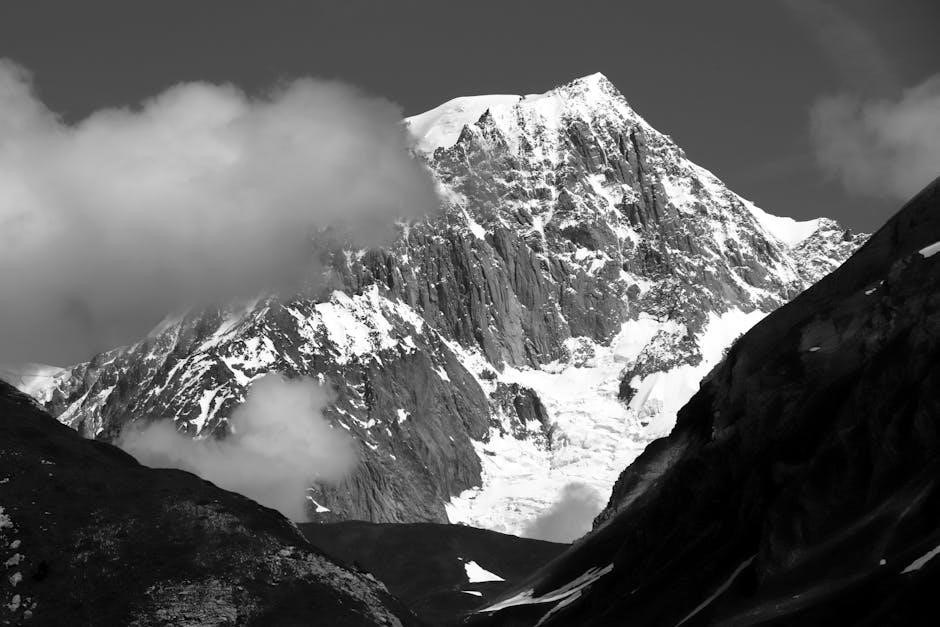
Camping is limited and often requires permits, with regulations varying by location. Refuges demand respectful etiquette; maintain cleanliness and quiet hours. Consider a mix of options for variety and availability, balancing comfort with the authentic mountain experience. Pre-booking is highly recommended, especially during peak season.
Refuges (Mountain Huts) ⎻ Booking & Etiquette
Refuges are central to the TMB experience, offering basic dorm-style lodging and hearty meals. Booking is essential, often months in advance, especially for peak season (July/August). Websites like the refuge’s own or specialized booking platforms are vital.
Etiquette is paramount: remove boots at the entrance, respect quiet hours, and maintain cleanliness. Meals are often communal, fostering a social atmosphere. Be prepared for limited facilities – showers may be coin-operated, and electricity restricted. Embrace the simplicity and camaraderie; it’s part of the charm!
Gîtes & Hotels in Villages
For those preferring more comfort, gîtes (rural guesthouses) and hotels in the valley villages offer a welcome alternative to refuges. These provide private rooms, often with ensuite bathrooms, and a chance to experience local life. Booking is still recommended, though generally easier than refuge reservations.
Villages like Les Houches, Courmayeur, and Champex-Lac boast a range of accommodations, from budget-friendly options to charming boutique hotels. Staying in villages allows for resupply opportunities and a break from the high-altitude environment, offering a different perspective on the TMB region.
Camping (Limited Options & Regulations)
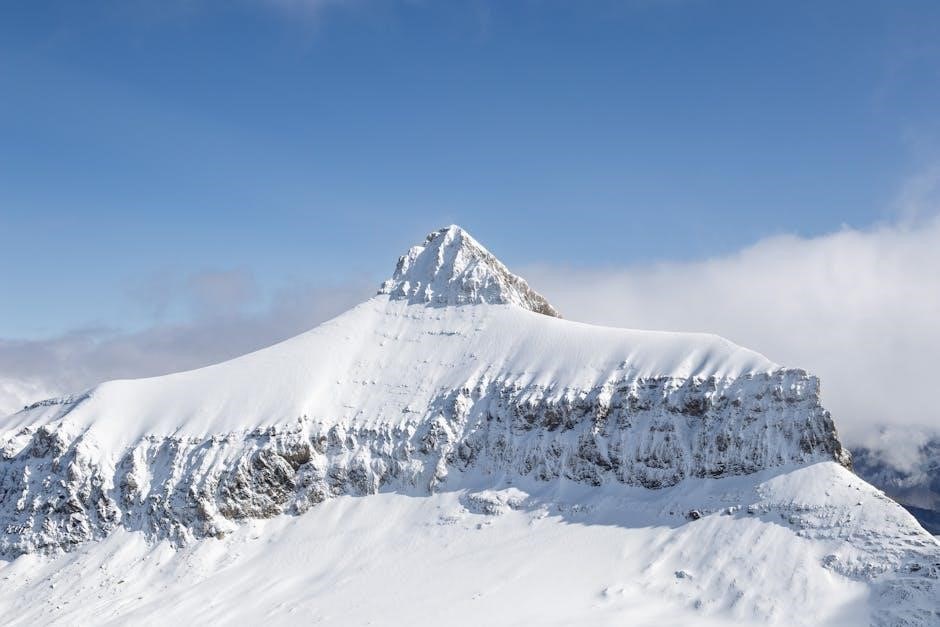
Wild camping is generally prohibited or heavily restricted along much of the Tour du Mont Blanc route, aiming to protect the fragile alpine environment. Designated campsites are available, but they are relatively few and far between, requiring careful planning.
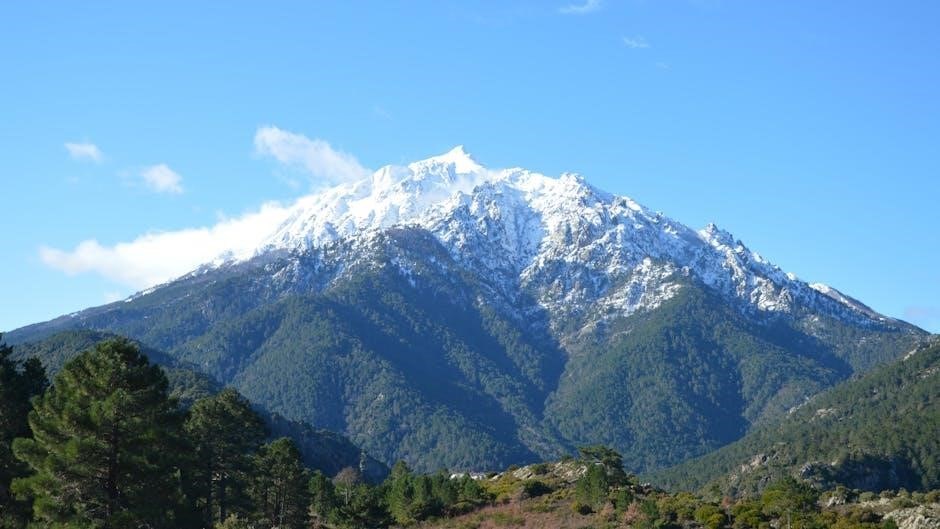
These campsites often offer basic facilities like toilets and water, but may lack showers or other amenities. Regulations vary by country and region; some require pre-booking, while others operate on a first-come, first-served basis. Respecting local rules and practicing Leave No Trace principles are crucial when camping.
Planning Your Itinerary & Daily Distances
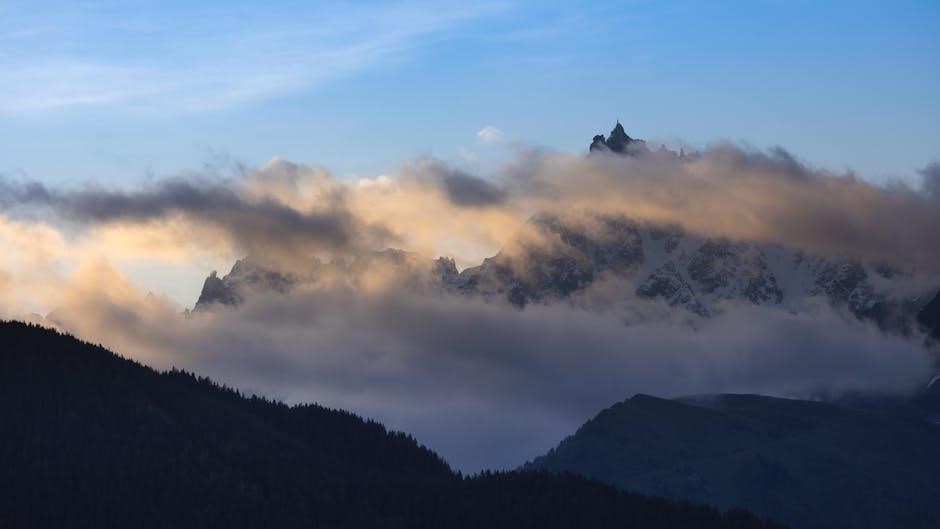
Careful itinerary planning is essential for a successful Tour du Mont Blanc trek. Daily distances typically range from 9 to 16 miles (14 to 26 kilometers), with elevation gains significantly impacting hiking time. Consider your fitness level and preferred pace when structuring each day’s stage.
Factor in rest days in villages to resupply, recover, and explore local culture. Booking accommodations in advance, especially during peak season, is highly recommended. Utilize guidebooks and online resources to estimate hiking times accurately, accounting for potential weather delays and trail conditions.
Navigation & Mapping Resources
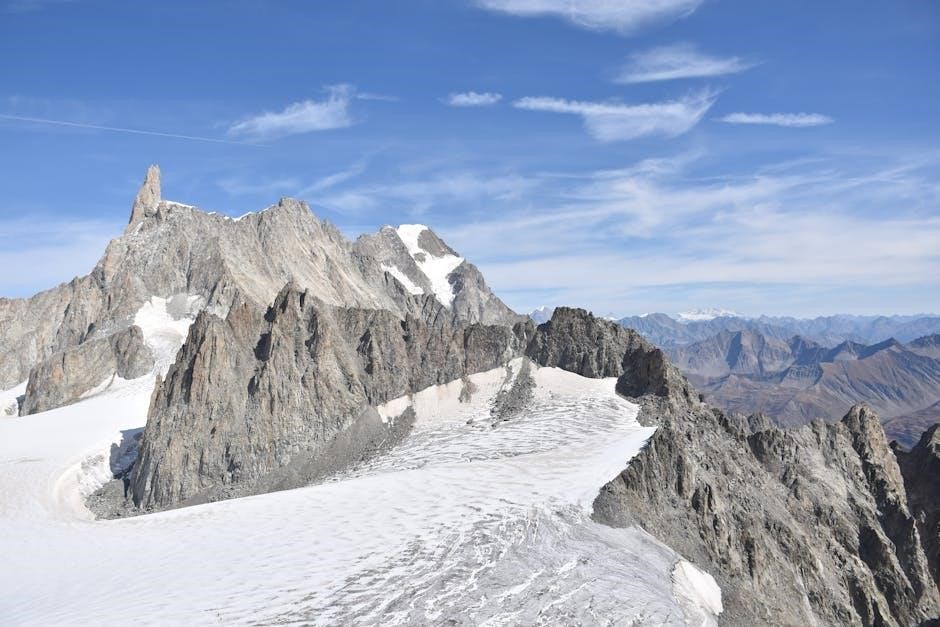
Reliable navigation is crucial on the Tour du Mont Blanc. IGN maps (Institut Géographique National) are considered the gold standard for detailed topographic information, offering precise trail markings and contour lines. Complement these with digital mapping apps like Gaia GPS or AllTrails, allowing offline map access and GPS tracking.
A dedicated GPS device provides an extra layer of security, especially in poor visibility. Download pre-planned routes and waypoints before your trek. Familiarize yourself with map reading skills and regularly check your location to stay on course, ensuring a safe and enjoyable hiking experience.
IGN Maps & Digital Mapping Apps
IGN maps are essential for TMB navigation, renowned for their accuracy and detail. Specifically, the IGN Topo series (e.g., 3640 OT, 3641 OT) covers the entire route. Digital mapping apps, such as Gaia GPS, AllTrails, and Komoot, offer convenient offline access, GPS tracking, and route recording capabilities.
Download maps before departure, as mountain cell service is unreliable. Learn to interpret map contours and symbols. Combining physical maps with digital tools provides redundancy and enhances navigational confidence, ensuring you stay on the correct path throughout your Tour du Mont Blanc adventure.
GPS Devices & Offline Maps
Dedicated GPS devices, like those from Garmin or Suunto, offer robust functionality and extended battery life for multi-day treks. Pre-load the TMB route onto your device before starting. Offline maps are crucial, as cellular service is spotty in the mountains. Apps like Gaia GPS, Maps.me, and OsmAnd allow downloading detailed maps for offline use on your smartphone.
Regularly check your GPS location against the trail and physical maps. Carry a power bank to recharge devices. Familiarize yourself with your GPS device’s features before the trek, ensuring a safe and well-navigated Tour du Mont Blanc experience.
Food & Water on the Trail
Refuges offer meals – breakfast, lunch (packed), and dinner – but these can be expensive. Supplement with your own high-energy snacks: trail mix, energy bars, dried fruit, and nuts. Water sources are available, but treat all water before drinking using a filter, purification tablets, or a UV sterilizer.
Carry enough water between sources, especially during warmer months. Some stages have limited water access. Plan your food resupply points in villages along the route. Consider dietary restrictions and pack accordingly for a fulfilling and safe TMB journey.
Budgeting for a Self-Guided TMB Tour
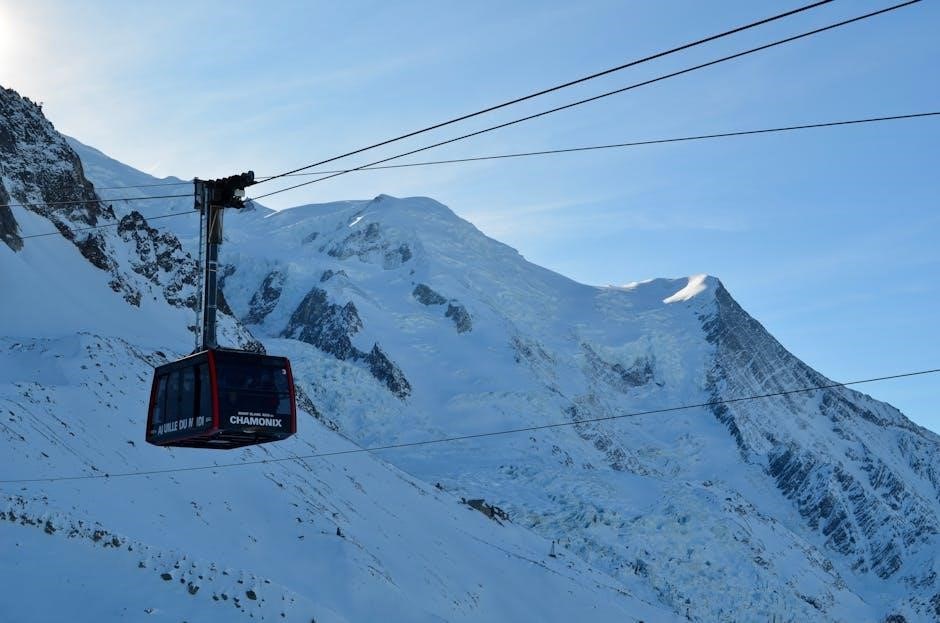
A TMB tour can range significantly in cost, typically between €1000-€1800 per person for 11 days. Accommodation (refuges/hotels) is a major expense, averaging €60-€100 per night. Food costs around €30-€50 daily, depending on refuge meals versus self-catering.
Transportation (flights, transfers) adds another €200-€500. Factor in map costs, potential baggage transfers (€100-€200), and a buffer for emergencies. Pre-booking refuges is crucial, potentially requiring deposits. Careful planning and self-sufficiency can significantly reduce overall expenses for this incredible trek.
Transportation to & from the Trailheads
Reaching the TMB typically involves flying into Geneva (GVA), the most convenient airport. From Geneva, efficient bus and train connections serve Chamonix, Les Houches, and Courmayeur – common starting points. Airport transfers are available, costing around €80-€150.
Public transport within the region is reliable but can require multiple changes. Consider pre-booking transfers, especially during peak season. Returning from the finish point often involves similar routes back to Geneva, allowing for onward travel. Plan meticulously to align with flight schedules.
Getting to Chamonix, Les Houches, or Courmayeur
Chamonix is easily accessible via a direct bus from Geneva Airport (approximately 1.5 hours, around €20-€30). Trains also run, requiring a change in Saint-Gervais-les-Bains. Les Houches, a quieter starting point, is a short bus ride from Chamonix.
Courmayeur, in Italy, requires a transfer to Martigny in Switzerland by train from Geneva, then a bus to Courmayeur. This journey is longer (around 3-4 hours) but offers scenic views. Pre-booking transport, especially during peak season, is highly recommended to secure your spot.
Airport Transfers & Public Transport
Geneva Airport (GVA) is the most convenient international gateway. Shared shuttle services offer door-to-door transfers to Chamonix, costing around €60-€80. Alternatively, the Swiss Federal Railways (SBB) provide excellent connections via Saint-Gervais-les-Bains.
Public transport within the region is efficient. Buses connect villages along the TMB route, though schedules can be infrequent. Consider purchasing a regional travel pass for cost savings. Pre-booking airport transfers, especially during peak season, is advisable to avoid delays and ensure availability.
Safety Considerations & Emergency Preparedness
Mountain weather can change rapidly; be prepared for all conditions. Carry a fully charged mobile phone, but coverage is unreliable in remote areas. A personal locator beacon (PLB) or satellite messenger is highly recommended for emergencies.
Inform someone of your itinerary and expected return date. Familiarize yourself with mountain rescue procedures and emergency contact numbers. First-aid knowledge is crucial; carry a comprehensive kit. Be aware of potential hazards like steep descents, scree slopes, and river crossings. Hike with a buddy whenever possible for increased safety.
Language & Cultural Tips
The TMB traverses France, Italy, and Switzerland, so learning basic phrases in all three languages is beneficial. French is dominant in France and parts of Switzerland, while Italian is spoken in the Aosta Valley. Politeness goes a long way – greetings like “Bonjour,” “Buongiorno,” and “Grüezi” are appreciated.
Refuge etiquette includes removing shoes upon entering and respecting quiet hours. Be mindful of local customs and traditions. A little effort to communicate in the local language demonstrates respect and enhances your experience. Enjoy the diverse cultures encountered along this incredible journey!
Booking Services for Self-Guided Tours
Numerous companies specialize in self-guided TMB tours, offering varying levels of support. Services typically include itinerary planning, accommodation booking (refuges, gîtes, hotels), and luggage transfers between stages. Some provide detailed route notes, maps, and even GPS tracks.
Consider your needs when choosing a provider. Full-service options minimize planning stress, while basic packages offer more independence. Research companies thoroughly, comparing prices and included services. Booking well in advance, especially for peak season, is crucial to secure preferred accommodations and luggage transport.
Training for the Tour du Mont Blanc
Adequate preparation is vital for enjoying the TMB. Begin training several months in advance, focusing on building cardiovascular fitness and leg strength. Incorporate regular hiking with a weighted pack, gradually increasing distance and elevation gain.
Simulate trail conditions by practicing on varied terrain, including steep ascents and descents. Include strength training exercises targeting core, legs, and back. Don’t neglect flexibility and balance work. Prioritize consistent training over intense bursts, allowing your body to adapt and minimize injury risk.
Dealing with Altitude Sickness
Altitude sickness is a potential concern on the TMB, as the trail reaches significant elevations. Ascend gradually, allowing your body to acclimatize. Stay hydrated by drinking plenty of water, and avoid alcohol and caffeine. Recognize early symptoms like headache, nausea, and fatigue.
If symptoms develop, descend to a lower altitude immediately. Rest and avoid further exertion. In severe cases, seek medical attention. Consider consulting your doctor about preventative medication before the trek. Listen to your body and prioritize your health throughout the journey; don’t push yourself too hard.
Wildlife Encounters on the TMB
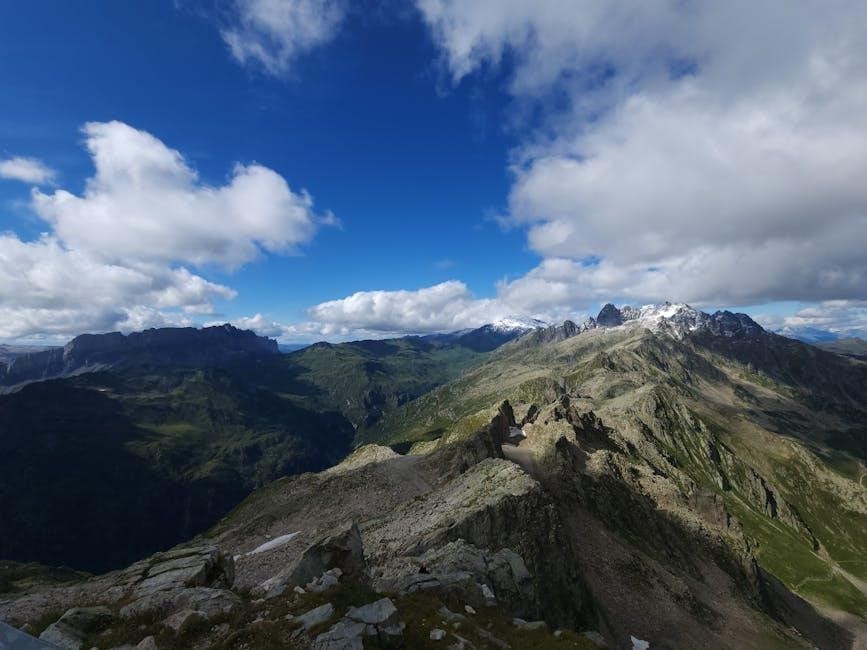
The Tour du Mont Blanc traverses diverse habitats, offering opportunities to observe fascinating wildlife. Keep an eye out for ibex, chamois, and marmots, often seen on rocky slopes. Birdwatchers may spot golden eagles and various alpine species.
Remember to maintain a respectful distance from all animals, and never feed them. Store food securely to avoid attracting unwanted attention. Be aware of potential encounters with larger mammals, though attacks are rare. Enjoy observing these creatures in their natural environment, but prioritize your safety and their well-being.
Responsible Hiking & Leave No Trace Principles
Protecting the pristine environment of the Tour du Mont Blanc is crucial. Practice Leave No Trace principles: plan ahead and prepare, travel and camp on durable surfaces, dispose of waste properly (pack it out!), leave what you find, minimize campfire impacts, respect wildlife, and be considerate of other visitors.
Stick to marked trails, avoid disturbing vegetation, and take all trash with you. Support local businesses committed to sustainability. By minimizing our impact, we ensure future generations can enjoy this incredible landscape.
Common Challenges & How to Overcome Them
The TMB presents challenges! Blisters are frequent – preventative blister care is vital; Weather can change rapidly; layered clothing and waterproof gear are essential. Navigation errors happen; utilize maps, GPS, and regularly check your location.
Altitude sickness is a risk; acclimatize gradually and descend if symptoms appear. Fatigue is common; pace yourself and take rest days. Refuge overcrowding requires pre-booking. Mental fortitude is key – embrace the challenge and enjoy the journey!
Post-TMB Recovery & Relaxation
Your body needs recovery! After the strenuous TMB, prioritize rest and rejuvenation. Allow several days for muscles to repair; gentle stretching and walking are beneficial. Replenish nutrients with a balanced diet, focusing on protein and hydration.
Consider a relaxing destination near the trail – Chamonix offers spas and wellness centers. Explore local culture, enjoy leisurely meals, and reflect on your accomplishment. Don’t rush back to routine; savor the memories and allow yourself to fully recover before resuming intense activity.
Resources & Further Information
Plan with confidence! Several websites offer detailed TMB information, including route descriptions, accommodation listings, and user forums. Explore sites like AllTrails and the official Tour du Mont Blanc website for updated trail conditions and refuge availability;
Consider guidebooks from Cicerone Press or Sunflower Books for comprehensive maps and practical advice. Online communities and blogs provide valuable insights from fellow hikers. Don’t hesitate to connect with experienced TMB trekkers for personalized recommendations and support before your adventure begins!