
Game Overview
Blink is a fast‑paced card game where two players race to empty their hands by matching shape, count, or color․ Each turn a card is played onto a shared pile, and the next player must match one attribute․ The first to discard all cards wins․ Simple rules, quick play, ideal for family nights․ Fast and fun!
Components Included
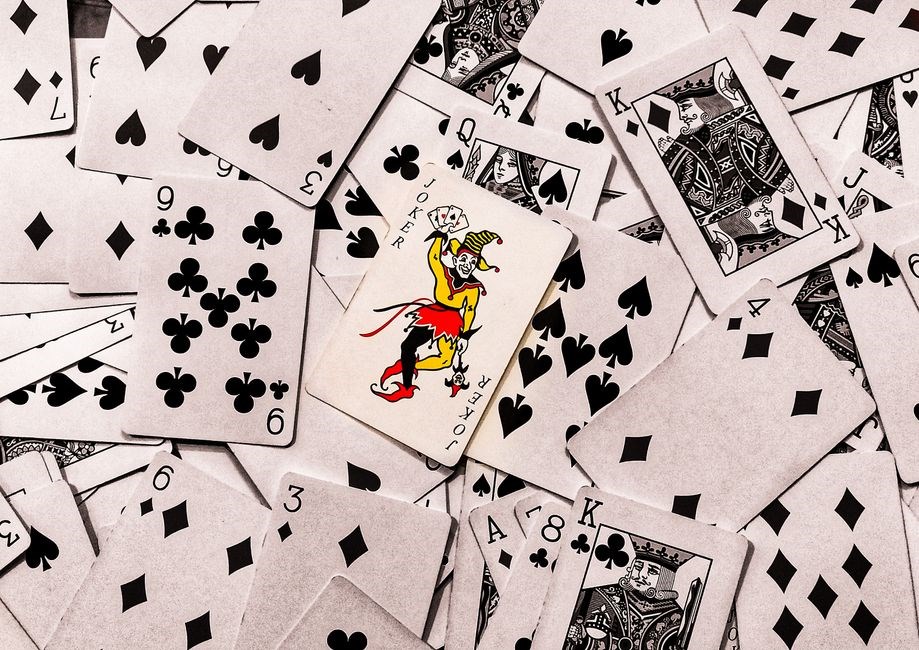
Each Blink set arrives in a sturdy, collectible storage tin that keeps the cards safe and makes it easy to transport the game to family gatherings, parties, or travel․ Inside the tin you’ll find a single deck of 60 uniquely designed cards, each featuring one of three shapes (circle, triangle, square), one of three colors (red, blue, green), and a count of one, two, or three symbols․ The cards are printed on thick, durable cardstock with a smooth finish to reduce wear and tear during fast‑paced play․
The set also includes a clear, easy‑to‑read instruction booklet that explains the objective, the matching rules, and the turn sequence․ The booklet is designed for quick reference, with concise diagrams and examples that help both new and experienced players pick up the game in minutes․ Additionally, the tin’s lid is labeled with the Blink logo and a brief tagline, adding a touch of branding that makes the game feel premium․
For players who enjoy customizing their experience, the cards are printed with a reversible design, allowing you to flip them over for a second set of colors and shapes if you wish to add variety․ The set’s compact size (approximately 5․5 inches by 3․5 inches by 1 inch) makes it ideal for storage in a backpack or a small drawer․
In summary, Blink’s components are thoughtfully packaged to provide durability, portability, and an engaging visual experience that encourages quick thinking and reflexive play․ It’s a quick, engaging game that keeps everyone on their toes․ for all ages․ Enjoy
Objective of the Game
In Blink, the primary objective is to be the first player to play every card in your hand by matching one of three attributes—shape, color, or count—on the central play pile․ Each turn, a player places a card that shares at least one attribute with the top card of the pile․ If a player cannot play a matching card, they must draw from the draw pile until a playable card is found․ The game is a race; the faster you can play, the higher your chances of winning․ Blink rewards quick reflexes, pattern recognition, and strategic timing, making it ideal for family game nights, travel, or casual play․ The objective remains the same regardless of any house rule variations: empty your hand before your opponent does․ Players must constantly scan the top card, anticipate potential matches, and decide whether to play a card that may block the opponent or to keep a versatile card for later; The game’s simple yet dynamic objective encourages players to think ahead, manage their hand efficiently, and react swiftly to the evolving state of the play pile․ Winning Blink is a test of both speed and foresight, and mastering the objective requires practice, observation, and a keen eye for matching opportunities․ Because Blink is designed play, many groups play multiple rounds in a single session, keeping score by tallying rounds won․ This scoring method preserves the game’s fastpacedquick feel, making it suitable quick fast gatherings․
Setup Procedure
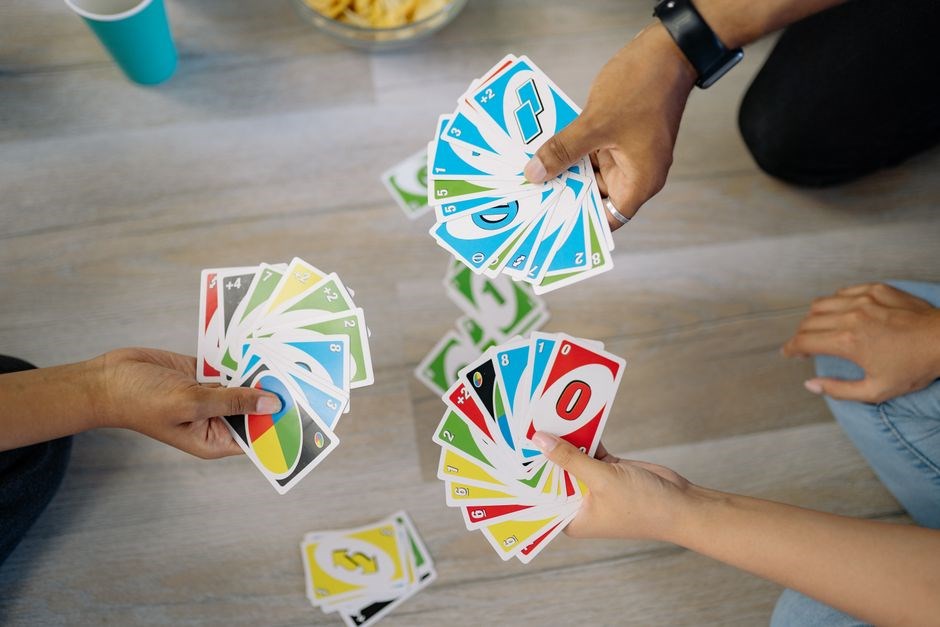
Shuffle the 60‑card deck thoroughly․ Deal 7 cards to each player, placing the remaining cards face‑down as the draw pile․ Place one card face‑up beside the pile to start the discard pile․ Players decide who goes first, then begin playing․ All cards are face‑down until played․ No??!!?
Shuffling the Deck
Before any cards are dealt, the deck must be thoroughly shuffled to ensure randomness and fairness․ Start by holding the deck face‑down in one hand and use the other hand to riffle the cards, splitting them into two roughly equal piles․ Then, interlace the piles by sliding them together, creating a new order․ Repeat this riffle shuffle at least four times, or until the cards feel well mixed․ If you prefer a more traditional approach, perform a cut: hold the deck in both hands, lift the top third, and place it beneath the remaining two thirds․ Follow this with a second cut, moving the bottom third to the top․ Finally, perform a “wash” shuffle by spreading the cards in a fan and then gathering them back together, ensuring the cards are not stacked in any predictable pattern․ After shuffling, allow the deck to rest for a moment so that any air pockets are released, then proceed to deal the cards to each player․ Proper shuffling is essential for maintaining the integrity of the game and preventing any advantage that could arise from a predictable sequence․ This meticulous shuffling routine not only guarantees a fair start but also enhances the excitement of the game, as players anticipate the random distribution of shapes, colors, and counts․ By investing a few extra seconds in a thorough shuffle, you eliminate any hidden patterns that could otherwise give an unfair edge, ensuring that every round begins on an even footing and that the thrill of quick, decisive play remains the true hallmark of Blink․ Well‑shuffled decks spark fast battles where every move counts in the arena for players․ for
Dealing Cards to Players
After the deck has been shuffled, the dealer (or the player who shuffled) begins the dealing process․ The deck is held face‑down and the first card is dealt to the left of the dealer, then the next card to the right, alternating until each player has an equal number of cards․ Blink’s standard deck contains 60 cards, so each player receives 30 cards․ Cards are dealt one at a time, keeping each player’s hand face‑down so no information is revealed prematurely․ Once all 60 cards have been distributed, the remaining deck is set aside as the draw pile, and the top card of this pile is turned face‑up to start the discard pile․ This card sets the initial attribute (shape, color, or count) that the first player must match․ The player to the left of the dealer begins play, and turns proceed clockwise․ Consistent dealing is crucial to avoid advantage; the dealer should always deal the same number of cards and follow the same sequence․ Proper dealing ensures a fair start, allowing both players to race to empty their hands under equal conditions․ By following these steps, players can confidently begin the game, knowing that the initial distribution of cards is fair and that the excitement of Blink will unfold from the very first turn․ Dealers should also ensure that the deck is not tilted, as this can affect card distribution․ A quick shuffle before dealing helps maintain randomness, and players may opt to deal cards face‑down for privacy, though some groups prefer a quick visual check to confirm equal distribution․ Enjoy the game! Fun
Gameplay Basics
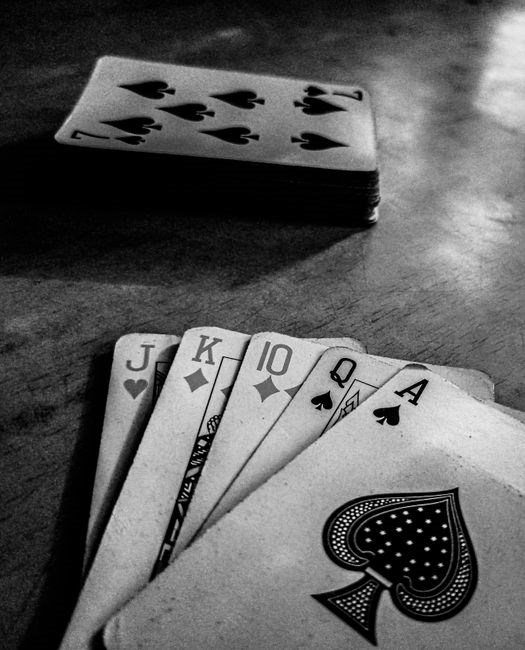
Players take turns matching the top card’s shape, count, or color․ A legal play places a card onto the discard pile․ If unable, the player draws from the stock until a match is possible․ The game ends when a player discards all cards․ If no match, draw one card and must play it if it matches the top․ now!!
Matching Rules
In Blink, a play is legal if the card matches the top card on the discard pile in at least one of three attributes: shape, count, or color․ Shapes include circles, squares, triangles, and stars; counts range from one to four; colors are red, blue, green, and yellow․ A player may play any card from their hand that satisfies one of these criteria․ If no card matches, the player must draw from the stock until a playable card appears․ The drawn card can be played immediately if it matches; otherwise, the turn ends and the next player proceeds․ Special cards such as the wild or skip are not part of the standard Blink set, so all cards are ordinary․ The game emphasizes quick recognition and reaction, with the objective of being the first to empty one’s hand․ Players should keep the discard pile visible and maintain a clear view of the top card to facilitate rapid matching․ The rules are intentionally simple to allow both children and adults to enjoy fast-paced competition․
Players often use a quick mental checklist: first glance at the top card, then scan their hand for any card that shares the shape, count, or color․ Because the deck contains only 60 cards, the probability of a match is high, encouraging rapid play․ If a player holds multiple matching cards, they may choose the one that best sets up future plays, such as leaving a card that matches the next player’s likely hand; The game’s simplicity means that even novice players can immediately grasp the matching logic, while experienced players can focus on timing and anticipation to outpace their opponent․
Mastering Blink requires quick reflexes and foresight․
Turn Sequence
Blink follows a simple, rapid turn structure that keeps both players engaged by requiring quick recognition of matching attributes and immediate action․ The first player starts by drawing a card from the stock if no playable card is available, but if a match exists, they play it immediately to set the pace․ After the first play, the next player must respond by matching the top card in shape, count, or color; failure to do so forces a draw from the stock․ When a player draws, they immediately check if the new card matches; if it does, they play it, otherwise the turn ends and the opponent takes over․ Each successful play adds a new top card, and the attributes of that card become the new matching target for the following player․ Players often employ a quick mental checklist: first glance at the top card, then scan their hand for any card that shares shape, count, or color, and finally decide the best play․ If a player holds multiple matching cards, they may choose the one that best sets up future plays, such as leaving a card that matches the next player’s likely hand․ The game’s pace is maintained by limiting the time a player has to decide, encouraging quick thinking and reflexes that keep every round lively and unpredictable․ When a player empties their hand, the game ends immediately; the last card played is the winning move, and the opponent must acknowledge the victory․ Players may choose to play a card that forces the opponent into a difficult position, such as a shape that only a single card in the deck can match, adding a layer of tactical depth; Keep playing!
Winning Conditions
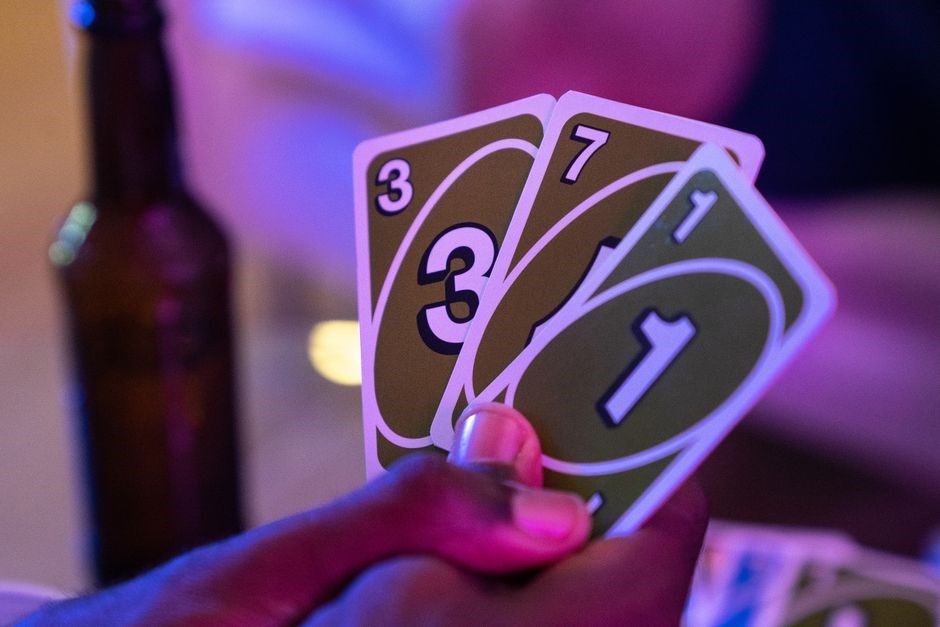
The ultimate goal in Blink is to be the first player to play every card in your hand onto the shared pile․ The game ends instantly when a player discards their final card, declaring them the winner․ No further turns are taken once the last card is played; the opponent must acknowledge the victory and the round concludes․ If the stock runs out before either player empties their hand, the game continues with the remaining cards in play until one player achieves the empty‑hand condition․ In the rare event that both players run out of cards simultaneously, the game is considered a draw and may be replayed with a fresh shuffle․ Winning is determined solely by hand depletion; no point tally or score accumulation is involved․ Thus, strategic play focuses on clearing the hand as quickly as possible while blocking the opponent’s opportunities to match․ The first player to meet this condition wins the round and may choose to start the next round or reset the game for a new match․ The simplicity of this win condition keeps the game fast and exciting for all ages․ If a player cannot play a matching card and the stock is empty, they must skip their turn, and the opponent continues․ This rule ensures that the game always progresses toward a win condition․ Players may also agree to alternate who starts each round to balance advantage․ In tournament settings, the winner of each round may receive a point, and the first to reach a predetermined number of points wins the match․ However, the core rule remains: the first to empty their hand wins the round․ The game’s brevity allows for multiple rounds in a single session, making it ideal for parties or quick family game nights․ The design of Blink encourages players to think ahead, as the shape, count, and color attributes interact to create a dynamic flow․ A player who has only one card left must consider whether to play it immediately or hold onto it for a strategic moment, but the rule that the game ends upon playing the last card removes any hesitation; the moment a card is played, the round concludes․ Because the game is turn‑based, the winner is determined by speed and memory rather than luck alone․ In practice, experienced players can often predict the opponent’s likely hand based on the sequence of played cards, allowing them to force a win by setting up a chain of matches that depletes the opponent’s hand while preserving their own․ This interplay of quick decision‑making and foresight is what makes Blink a compelling choice for both casual and competitive play․ Thus, mastering the winning condition—rapidly clearing your hand while preventing your opponent from matching—transforms Blink from a simple matching game into a strategic race that tests reflexes, observation, and tactical planning․ Players often find that the most effective strategy involves keeping a balanced mix of shapes, counts, and colors in hand, ensuring multiple options for each turn and reducing the chance of being forced to draw․ By doing so, they maintain control over the pace of the game and increase their likelihood of being the first to finish․ Remember, the key to victory lies in the speed of your play and the subtle art of matching—practice and observation will sharpen your edge․
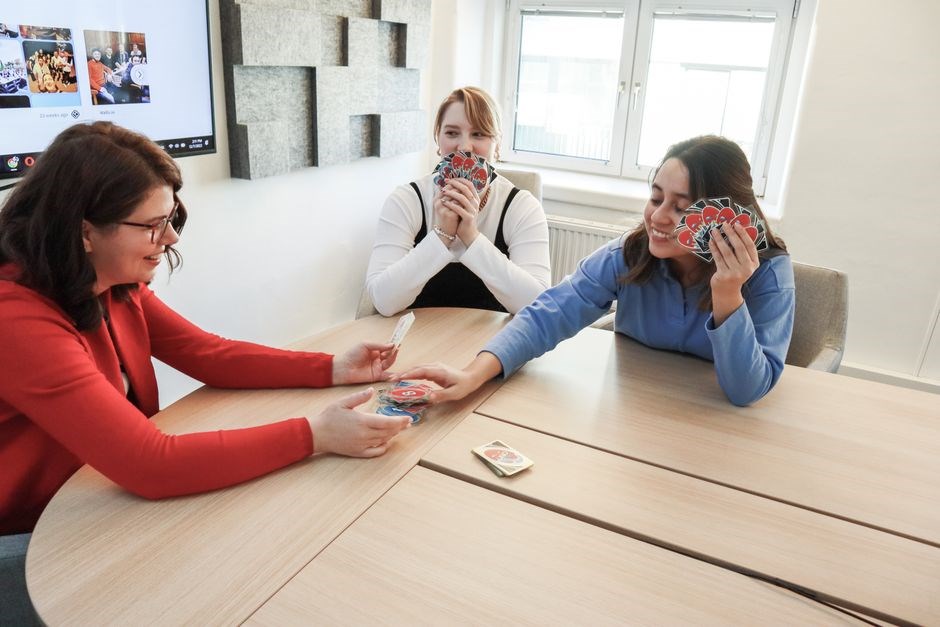
Advanced Strategies
Blink’s competitive edge hinges on anticipating the opponent’s hand while preserving your own flexibility․ One advanced technique is the “shape‑buffer” strategy: keep at least one card of each shape in reserve so you can always respond when the pile’s top card forces a shape match․ This buffer also allows you to switch between shape, count, and color matches, keeping the opponent guessing․ Another tactic is the “count‑chain” approach, where you deliberately play a card that forces the next player to match a specific count, often a number that appears infrequently in the remaining deck․ By doing so, you reduce the opponent’s options and increase the likelihood that they will draw from the stock, slowing their progress․ Timing is critical: holding a high‑count card (such as a 6 or 7) until the pile’s top card is a low count can create a sudden surge, letting you clear several cards in one turn if you have matching shapes or colors․ Conversely, playing a low‑count card early can set up a future “count‑chain” that traps the opponent․ Psychological pressure can be applied by consistently matching the same attribute, such as always using shape matches when possible․ This forces the opponent to adapt and may lead to mistakes․ Mastery of these layered strategies transforms Blink from a reflex game into a nuanced battle of foresight and adaptability․ By mastering these techniques, players can control the pace of the game, forcing their opponent into a defensive position and creating opportunities to finish the round swiftly․ Practice makes perfect, so keep playing and enjoy․
Common Mistakes to Avoid
Players often fall into several pitfalls that can turn a quick win into a frustrating loss․ The first mistake is neglecting the shape buffer; discarding all shape cards early leaves you unable to match when the pile’s top card forces a shape response․ A second blunder is over‑reliance on a single attribute—if you only play by color, the opponent can simply switch to a shape or count match and stall you․ Third, many beginners play the lowest‑count card available, assuming it will be safe; however, this can set up a count‑chain that forces you to draw from the stock․ Fourth, ignoring the opponent’s visible cards is a costly error; by watching what they discard you can anticipate their next move and adjust your own play․ Fifth, rushing to finish without considering future options often leads to a dead‑end where no legal moves remain․ Finally, failing to keep a balanced hand—mixing shapes, counts, and colors—reduces flexibility and makes you predictable․ Avoiding these mistakes requires deliberate hand management, careful observation, and a willingness to adapt your strategy on the fly․ Additionally, players sometimes forget to read the pile’s top card carefully, which can cause an illegal play and waste a turn․ Also, overconfidence in a leading position can lead to careless discards that give the opponent an opening․ Finally, not using the storage tin to keep cards organized can result in misplacing cards and losing track of what remains in the deck․
Variations and House Rules
Players often enjoy customizing Blink with a handful of house rules that add depth or tweak pacing․ One popular tweak is the “Double Match” rule: if a player discards a card that matches two attributes of the top card (for example, same shape and same color), they may immediately play a second card from their hand․ This encourages aggressive play and rewards careful hand building․ Another variation is the “Countdown” rule, where the deck is reduced to 40 cards and a timer is set for 60 seconds per turn; the first player to finish all cards before the timer expires wins, adding a frantic element․ Some groups replace the standard card set with a custom deck that includes “Wildcard” cards; a wildcard can be played on any top card and forces the next player to discard two cards of their choice․ A common house rule is the “Swap” rule, allowing a player to exchange one card from their hand with the top card of the discard pile, provided the exchanged card still matches an attribute․ This can be used strategically to block an opponent’s potential match․ For families with younger children, a “Color‑Only” rule simplifies the game by ignoring shape and count, focusing solely on color matching; this speeds up learning and reduces frustration․ Finally, some players introduce a “Penalty” rule where a player who cannot match must draw three cards and forfeit their turn, increasing the stakes and encouraging players to keep diverse hands․ These variations can be mixed or combined, but it is important to agree on the chosen rules before play to maintain fairness and clarity․ Players can also agree to a “No Draw” rule, where once a player’s hand is empty, the game continues until all opponents have also discarded all cards, ensuring that the winner truly outpaces everyone․ Another fun twist is the “Mirror” rule, where each player must play a card that mirrors the previous card’s shape but not its color, creating a pattern that tests memory․
Age and Skill Level
Blink is designed for players aged 7 and up, making it suitable for children, teens, and adults alike․ The game’s simple matching rules allow younger players to grasp the concept quickly, while the fast‑paced action keeps older players engaged․ For children, the focus on shape, count, and color helps reinforce basic math and visual discrimination skills․ Teenagers and adults can enjoy strategic depth by planning which cards to hold and when to force opponents into difficult draws․ The game’s minimal setup and clear instructions mean that even novices can start playing within minutes, but experienced players often experiment with house rules to increase complexity․ Overall, Blink offers an accessible entry point for families and a challenging, quick‑fire experience for seasoned card game enthusiasts․ The recommended playtime is 10–15 minutes, making it ideal for short family gatherings or travel․ Skill progression is linear: beginners start with the core rules, then add variations such as “Double Match” or “Wildcard” to test reaction speed and memory․ Older players may also incorporate “Penalty” or “Swap” rules to add strategic layers․ Blink’s design encourages quick decision‑making, making it a useful tool for developing executive function in children and keeping adults mentally sharp․ The game’s low learning curve and high replayability make it a staple for casual game nights, while its competitive edge appeals to more experienced gamers seeking a fast, tactical challenge․ Players may also use the optional “Speed Round” to test reflexes fast!!
Frequently Asked Questions
How many players can play Blink? Blink is a two‑player game, but you can split into teams or add a “mirror” mode where each player plays against a copy of themselves․
What happens if I can’t match a card? If you cannot match the top card, you must draw from the stock until you find a playable card or the stock is exhausted․
Are there wildcards? The base set does not include wildcards, but you can create your own by designating a card as a “joker” that matches any attribute․
Can I change the matching rules? Yes, house rules are encouraged․ Common variations include “color only” or “count only” matches to alter difficulty․
How long does a game last? A typical game lasts 10–15 minutes, depending on player speed and deck size․
Is there a recommended strategy? Keep high‑count cards for later, and try to force opponents into drawing by playing cards that limit their options․
What if the stock runs out? When the stock is empty, the discard pile is reshuffled to form a new stock, and play continues․
Can I play Blink on the go? Yes, the compact tin and 60‑card deck make it travel‑friendly; just bring a small surface to play on․
Are there any age restrictions? Blink is suitable for ages 7 and up; younger children may need a helper to read cards․
Where can I buy Blink? Blink is available on major retailers like Amazon, Walmart, and the official Mattel Games website․
Do you need a special surface? No, a table works fine for quick play and quick game now!