4l60e manual

ATSG manuals are vital resources, offering detailed rebuild instructions and technical service information for the 4L60E, covering pump changes and solenoid upgrades.

What is the 4L60E?

The 4L60E is a four-speed automatic transmission widely utilized in General Motors vehicles from 1993-2015. ATSG manuals detail its internal components and overhaul procedures. These manuals are considered essential for comprehensive inspection, repair, disassembly, assembly, diagnosis, and troubleshooting of this popular transmission.

History and Applications

The 4L60E debuted in 1993, becoming a staple in GM trucks and cars through 2015. ATSG manuals chronicle its evolution, including updates for PWM TCC solenoids and spacer plate variations from 1997-2003. It’s found in a broad range of vehicles, necessitating detailed rebuild guides.

Common Problems and Symptoms

4L60E transmissions frequently experience premature low/reverse clutch failure, accumulator piston wear, and intermittent pressure rise issues, as detailed in ATSG manuals. Soft 1-2 upshifts and overheating are also common, often linked to cooler line fittings or fluid levels.
Tools and Materials for a 4L60E Rebuild

A comprehensive ATSG manual is essential, alongside required fluids, gaskets, and specialty tools for proper 4L60E transmission inspection, repair, and overhaul.

Essential Tools

For a successful 4L60E rebuild, standard mechanic tools are needed, but specialized equipment is crucial. ATSG manuals highlight the necessity of snap ring pliers, seal drivers, and a transmission jack. Precise measuring tools, along with a sturdy workbench, complete the essential toolkit for this complex task.

Required Fluids and Gaskets

A 4L60E rebuild demands the correct fluid – typically Dexron III or compatible synthetic. ATSG manuals emphasize using a complete gasket kit, including pan, valve body, and seal replacements. New O-rings and filter are also vital for proper sealing and fluid cleanliness during reassembly.

Specialty Tools and Their Uses

4L60E rebuilds often require specialized tools like a transmission jack, snap ring pliers, and a valve body airflow tester. ATSG manuals detail using these for component separation, clutch pack compression, and precise solenoid testing, ensuring accurate diagnosis and successful transmission overhaul.
Disassembly of the 4L60E Transmission

Manuals guide removing the transmission, separating components, and carefully identifying each part for inspection; proper disassembly is crucial for a successful rebuild.

Removing the Transmission

ATSG manuals detail the process of safely removing the 4L60E, emphasizing disconnecting all lines and electrical connections first. Support the transmission adequately before unbolting it from the engine, and carefully lower it to prevent damage. Proper preparation and caution are essential during this initial step.

Separating the Transmission Components

ATSG rebuild manuals guide the careful separation of the 4L60E’s components, starting with the tailshaft housing and bellhousing. Detailed instructions cover removing the valve body, pump, and internal parts, noting specific tools and sequences for efficient disassembly and inspection.

Identifying and Inspecting Parts

ATSG manuals emphasize meticulous part identification during 4L60E disassembly. Thorough inspection for wear, damage, and proper function is crucial, focusing on clutches, steels, seals, and the valve body. Identifying spacer plates by model code (1997-2003) is also key.

Internal Component Inspection and Diagnosis

ATSG manuals detail inspecting the valve body, pump, and clutch packs for wear and damage, aiding in accurate diagnosis of 4L60E transmission issues.

Valve Body Inspection

ATSG manuals emphasize thorough valve body inspection for wear, sticking valves, and bore damage. Specifically, the 1996 model year received a new valve body and manual valve design. Checking for proper operation of solenoids, including the PWM TCC solenoid, is crucial for accurate diagnosis and rebuild success.

Pump Inspection

ATSG manuals detail pump changes for added PWM TCC solenoids and bell housing compatibility. Inspect for wear on the rotor, slide, and housing. The manuals also provide interchange charts and cover updates for 13-vane rotors, ensuring proper fluid pressure and transmission function during rebuilds.

Clutch Pack and Steel Plate Evaluation

ATSG manuals address premature low/reverse clutch failure, a common 4L60E issue. Thoroughly evaluate clutch packs and steel plates for wear, warping, or damage. Proper inspection, guided by these resources, is crucial for preventing future transmission problems and ensuring reliable performance after rebuild.

Rebuilding the 4L60E: Step-by-Step

ATSG manuals detail procedures for pump rebuild, valve body testing, and clutch pack replacement, providing essential guidance for a successful 4L60E overhaul.

Pump Rebuild and Installation

ATSG manuals extensively cover pump changes for added PWM TCC solenoids, bolton bell housings, and 13-vane rotors. Detailed charts aid interchangeability, while instructions guide thorough inspection, repair, and proper installation procedures, ensuring optimal hydraulic pressure and reliable operation.

Valve Body Rebuild and Testing

ATSG manuals detail new valve body designs for 1996 models and provide comprehensive instructions for rebuild and testing. They address soft 1-2 upshifts with new accumulator valve spring installations, ensuring precise shift quality and addressing potential hydraulic control issues within the unit.

Clutch Pack and Steel Plate Replacement

ATSG manuals specifically address premature low/reverse clutch failure, a common 4L60E issue. Detailed instructions guide proper clutch pack and steel plate replacement, ensuring correct installation and preventing recurrence of this failure point during the transmission rebuild process.

Specific Updates and Modifications (Based on ATSG Manuals)

ATSG manuals detail crucial updates like PWM TCC solenoid upgrades, 3-2 downshift solenoid changes, and spacer plate identification for optimal 4L60E performance.

PWM TCC Solenoid Upgrade

ATSG manuals highlight pump changes specifically for adding a Pulse Width Modulation (PWM) Torque Converter Clutch (TCC) solenoid, enhancing control. This upgrade improves efficiency and smoothness, addressing common 4L60E issues. The manual provides detailed instructions for proper installation and compatibility, ensuring optimal function.

3-2 Downshift Solenoid Change

ATSG manuals detail a crucial 3-2 downshift solenoid change for the 4L60E, addressing potential failure points. This modification improves shift quality and reliability. The manual provides specific guidance on solenoid identification, installation procedures, and testing to ensure correct operation and optimal transmission performance.

Spacer Plate Identification (1997-2003)

ATSG manuals emphasize the importance of spacer plate identification for 1997-2003 4L60E transmissions, as variations exist based on model code. Correct identification is critical for proper valve body assembly and function, preventing issues like harsh shifts or incorrect pressure regulation during rebuilds.

Addressing Common Failure Points

ATSG manuals detail premature low/reverse clutch failure, accumulator piston wear, and intermittent pressure rise as frequent 4L60E issues needing focused attention.

Premature Low/Reverse Clutch Failure

ATSG manuals specifically address premature low and reverse clutch failure within the 4L60E transmission. This often necessitates a thorough inspection of clutch pack components and related seals. Identifying the root cause, whether due to worn parts or insufficient lubrication, is crucial for a lasting repair, preventing recurrence of this common issue.

Accumulator Piston Wear and Replacement

ATSG manuals detail accumulator piston wear as a frequent 4L60E problem. They recommend inspecting for scoring and damage, often requiring replacement with a new design piston for improved performance. Addressing worn accumulators is vital for smooth and reliable shifting, preventing harsh engagement or delayed transitions.

Intermittent Pressure Rise Issues

ATSG manuals identify intermittent pressure rise as a common 4L60E concern. Troubleshooting involves careful inspection of the valve body and pump for debris or wear. Addressing this issue promptly prevents further transmission damage and ensures consistent, reliable hydraulic operation for smooth shifting.

Testing and Calibration After Rebuild

Post-rebuild, pressure testing and shift quality evaluation are crucial, alongside diagnostic trouble code (DTC) scanning, to verify proper function and performance.

Pressure Testing

Thorough pressure testing is essential after a 4L60E rebuild, verifying correct operation of the pump and valve body. ATSG manuals detail specific test points and acceptable pressure ranges for various gears. Accurate readings confirm proper hydraulic function, preventing future failures and ensuring smooth shifting performance.

Shift Quality Evaluation

Post-rebuild, assess shift quality through road testing, observing for firmness, smoothness, and proper engagement. ATSG resources emphasize evaluating each gear, identifying any harshness or slippage. Correcting these issues often involves valve body adjustments or solenoid calibration for optimal transmission performance.

Diagnostic Trouble Code (DTC) Scanning

Utilize a scan tool to retrieve and interpret any Diagnostic Trouble Codes (DTCs) stored within the 4L60E’s computer. These codes provide valuable insights into potential issues, guiding further diagnosis and repair efforts, as detailed within ATSG’s comprehensive technical manuals.

1-2 Shift Issues and Solutions

ATSG manuals detail solutions for soft 1-2 upshifts, including installing a new accumulator valve spring and a redesigned accumulator piston.

Soft 1-2 Upshift Diagnosis

ATSG manuals pinpoint soft 1-2 upshifts as a common 4L60E issue, often requiring attention to the accumulator system. Diagnosis involves inspecting the accumulator valve spring and piston for wear or damage, as detailed in technical resources. Replacing these components, as outlined by ATSG, frequently resolves the problem.

New Accumulator Valve Spring Installation

ATSG manuals emphasize that installing a new accumulator valve spring is a key step in addressing soft 1-2 upshifts within the 4L60E transmission. This upgrade, detailed in technical documentation, restores proper hydraulic pressure and improves shift firmness, enhancing overall driving performance and reliability.

New Design 1-2 Accumulator Piston

ATSG resources highlight the availability of a new design 1-2 accumulator piston for the 4L60E, addressing common wear issues. Replacing the original piston mitigates accumulator piston wear, improving shift quality and resolving intermittent pressure rise problems, as detailed in rebuild manuals.

Overheating Issues and Prevention

ATSG manuals address transmission and engine overheat causes, emphasizing cooler line fitting inspection and proper fluid levels for 4L60E reliability.

Transmission and/or Engine Overheat Causes

ATSG manuals detail that 4L60E overheating stems from various factors, including insufficient cooler flow, incorrect fluid levels, or engine cooling system failures. Identifying and rectifying these issues—like push-in cooler line fittings—is crucial for preventing premature wear and ensuring optimal transmission performance and longevity.

Cooler Line Fittings and Inspection

ATSG resources emphasize the importance of inspecting cooler line fittings for leaks or damage, particularly the push-in style often found in 4L60E applications. Proper sealing is vital; compromised fittings contribute significantly to overheating and subsequent transmission failure, necessitating careful examination during rebuilds.

Proper Fluid Level and Type

Maintaining correct fluid levels and utilizing the manufacturer’s recommended fluid type are crucial for 4L60E longevity. Overheating, a common issue, is exacerbated by low fluid or incorrect specifications. Regular checks and fluid changes, guided by ATSG recommendations, prevent premature wear.

ATSG Manuals: A Comprehensive Resource

ATSG manuals provide detailed procedures for 4L60E inspection, repair, disassembly, assembly, diagnosis, and troubleshooting – an essential overhaul resource.

ATSG Chevy 4L60E/4L65E Update Manual

This update manual comprehensively covers critical changes, including pump modifications for PWM TCC solenoids and bell housing compatibility. It details 3-2 downshift solenoid changes, spacer plate identification by model code (1997-2003), and new solenoid designs, offering invaluable technical insights.

GM THM 4L60-E/4L65-E/4L70-E Rebuild Manual

Published by ATSG, this manual is considered the most complete resource for rebuilding and repairing these transmissions from 1993-2015. It provides detailed instructions for inspection, disassembly, assembly, diagnosis, and troubleshooting, essential for professional technicians and enthusiasts.

ATSG 4L60E Rebuild Manual – Detailed Overview

The blue cover ATSG overhaul manual comprehensively covers procedures for transmission inspection, repair, disassembly, and assembly. It’s a crucial resource providing technical service information for accurate diagnosis and effective troubleshooting of the 4L60E and related series transmissions.

Troubleshooting Intermittent Issues

ATSG manuals detail internal harness identification, aiding in resolving electrical problems within the 4L60E transmission, crucial for diagnosing sporadic malfunctions.

Internal Harness Identification

ATSG manuals emphasize the importance of correctly identifying the 4L60E’s internal wiring harness for effective troubleshooting of intermittent issues. Proper identification allows technicians to pinpoint electrical faults, like damaged wires or connectors, leading to accurate diagnoses and repairs, ultimately restoring reliable transmission function.

Identifying and Resolving Electrical Problems

ATSG manuals detail methods for diagnosing and fixing 4L60E electrical issues. Technicians utilize these resources to trace wiring, test solenoids, and check for voltage drops. Resolving these problems often involves connector repair, wire replacement, or solenoid substitution for optimal performance.

Final Assembly and Installation

Reinstallation requires careful attention to detail, ensuring proper alignment and secure mounting. Final checks and fluid filling are crucial for reliable operation.

Reinstalling the Transmission

Carefully align the transmission with the engine, ensuring proper engagement of the splines. Securely mount the transmission using the correct fasteners, torquing to specification. Double-check all connections – electrical, cooler lines, and linkages – before proceeding, guaranteeing a smooth and reliable re-installation process.

Final Checks and Fluid Fill

Before starting the engine, verify all cooler lines are connected and free of leaks. Fill the transmission with the manufacturer’s recommended fluid to the correct level, using a dipstick for accurate measurement. Perform a thorough inspection for any remaining loose connections or potential issues.

Continue Reading

kt tape: achilles tendonitis pdf

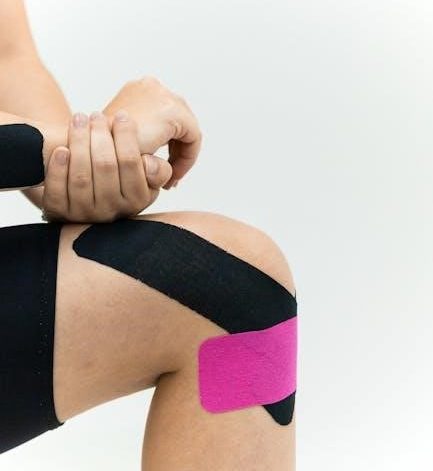
Achilles tendonitis impacts many athletes, and KT Tape offers a dynamic support solution; downloadable guides, like those from Vamos de Tapas, detail application techniques.

Kinesiology tape, including brands like KT Tape and Kinesio Tape, has gained popularity over the last 50 years for athletic support and pain management.

Dr. Gregory H. Doerr’s video demonstrations provide a step-by-step process for applying tape to the Achilles tendon and calf, promoting healing and reducing tendon load.

What is Achilles Tendonitis?

Achilles tendonitis, a common ailment among athletes, involves inflammation of the Achilles tendon, the largest tendon in the body. This robust tendon connects the calf muscles to the heel bone, facilitating walking, running, and jumping. Overuse or sudden increases in activity levels frequently trigger this condition, leading to pain, stiffness, and tenderness along the tendon.

Symptoms often develop gradually, starting as mild discomfort after exercise and progressing to persistent pain that interferes with daily activities. Individuals may experience pain in the back of the heel, especially in the morning or after periods of rest. Ignoring early signs can lead to chronic pain and potential tendon rupture.

Effective management often involves rest, ice, compression, and elevation (RICE), alongside supportive therapies like KT Tape application to reduce strain and promote healing.

Understanding Kinesiology Tape (KT Tape)

Kinesiology Tape, often recognized by the brand name KT Tape, is an elastic cotton strip with an acrylic adhesive backing. Developed decades ago, it’s designed to mimic the elasticity of human skin, allowing for a full range of motion while providing support. Unlike traditional athletic tape, KT Tape doesn’t restrict movement; instead, it facilitates it.

The tape’s unique properties aim to lift the skin slightly, creating space between the skin and the underlying tissues. This decompression can improve blood flow and lymphatic drainage, reducing swelling and pain. It’s available in various colors and widths, catering to different needs and preferences.

Athletes have embraced KT Tape for its potential to enhance performance and aid recovery, making it a visible fixture at events like the Olympics.

How KT Tape Works: A Brief Overview

KT Tape’s functionality centers around influencing the body’s natural healing processes. By gently lifting the skin, it creates microscopic space, theoretically improving circulation and reducing inflammation around the Achilles tendon. This decompression can alleviate pressure on pain receptors, providing immediate discomfort relief.

The tape’s elastic properties offer dynamic support, meaning it moves with the body, unlike restrictive bracing. This allows for continued activity while providing stability to the injured area. Some believe KT Tape also influences muscle activation and proprioception – the body’s awareness of its position in space.

However, recent studies suggest the benefits may be more psychological than physiological, highlighting the power of the placebo effect.

Preparing for KT Tape Application

Successful KT Tape application requires clean, dry skin and a sharp pair of scissors; proper preparation maximizes adhesion and effectiveness for Achilles tendonitis support.

Skin Preparation: Cleaning and Shaving

Optimal KT Tape adhesion hinges on meticulous skin preparation. Before application, thoroughly cleanse the area around the Achilles tendon with mild soap and water to remove any oils, lotions, or dirt. These residues can significantly impede the tape’s ability to stick properly, leading to premature lifting and reduced effectiveness.

For individuals with excessive hair in the application area, shaving is highly recommended. Hair interferes with the tape’s direct contact with the skin, diminishing its therapeutic benefits. Use a razor to gently shave the area in the direction of hair growth, avoiding any irritation or cuts.

Ensure the skin is completely dry before proceeding with the taping process. Any moisture will compromise the adhesive properties of the KT Tape. A clean, dry, and hair-free surface guarantees a secure and long-lasting application, maximizing the support and pain relief for Achilles tendonitis.

Materials Needed: KT Tape, Scissors

Successful KT Tape application for Achilles tendonitis requires only a few essential materials. First and foremost, you’ll need a roll of high-quality kinesiology tape – commonly known as KT Tape or Kinesio Tape. Selecting a reputable brand ensures optimal elasticity and adhesive properties for effective support.

A pair of sharp scissors is crucial for precise tape cutting. Rounded-tip scissors are recommended for safety, preventing accidental skin punctures during the trimming process. The ability to cut the tape to the correct length and width is vital for a customized and comfortable fit.

Beyond these core items, having an alcohol wipe for final skin cleaning and potentially some pre-cut “I” strips (optional) can streamline the application. With these simple tools, you’re well-equipped to provide dynamic support and pain relief for your Achilles tendon.

Tape Types and Considerations

When selecting KT Tape for Achilles tendonitis, understanding the available options is key. Standard KT Tape offers reliable support, while pre-cut strips can simplify application for beginners. Different brands, like KT Tape and Kinesio Tex Tape, may vary slightly in adhesive strength and elasticity.

Tape color is largely aesthetic; pink, blue, black, and beige options are available. However, consider skin sensitivity – individuals with allergies should opt for hypoallergenic tape. Tape width also matters; wider strips provide more substantial support, while narrower strips offer greater flexibility.

Ultimately, the best tape is one that adheres well, feels comfortable, and meets your individual needs. Experimenting with different types may be necessary to find the optimal solution for your Achilles tendonitis and activity level.

Step-by-Step KT Tape Application Guide

Applying KT Tape for Achilles tendonitis requires precision; a sharp pair of scissors and clean skin are essential for optimal results, taking only about two minutes.

Step 1: Anchor Placement – Medial Heel

Begin with the anchor placement, crucial for effective KT Tape application. Tear a strip of KT Tape, approximately 6-8 inches long, rounding the corners to prevent premature lifting. Position the ankle in a neutral position – neither pointed nor flexed. Apply the anchor to the medial heel, just below the ankle bone, with zero stretch.

Ensure the anchor is firmly adhered to the skin, forming a stable base for the subsequent tape strips. This initial anchor provides a foundation for supporting the Achilles tendon. Gently rub the tape to activate the adhesive and ensure a secure hold. Proper anchor placement is paramount for the overall effectiveness of the taping process, setting the stage for optimal support and pain relief.

Step 2: First Strip – Supporting the Achilles Tendon

With the anchor secure, apply the first strip of KT Tape directly over the Achilles tendon. Tear another strip, similar in length to the first (6-8 inches), and apply it with a 50-75% stretch. Begin at the medial heel anchor and follow the line of the Achilles tendon upwards towards the calf muscle.

Maintain consistent tension throughout the application, gently smoothing the tape as you go. This strip aims to provide direct support to the tendon, reducing strain and promoting proper alignment. Avoid excessive stretch, which can cause skin irritation; The goal is to lift the skin slightly, creating space and reducing pressure on the inflamed tendon. Rub the tape to activate the adhesive.

Step 3: Second Strip – Reinforcing Support

To further stabilize the Achilles tendon, apply a second strip of KT Tape parallel to the first. Tear another strip, again 6-8 inches long, and apply it with a similar 50-75% stretch. Start slightly medial to the first strip at the heel anchor, and follow a similar path upwards along the tendon.

This second strip reinforces the support provided by the first, creating a broader area of compression and stability. Ensure there’s a slight overlap with the first strip at both ends, but avoid complete coverage. Gently smooth the tape, activating the adhesive with rubbing. This technique helps distribute forces and minimize stress on the injured tendon, aiding in the healing process.

Step 4: Third Strip – Calves Support

For comprehensive support, a third strip of KT Tape targets the calf muscles, which directly influence Achilles tendon function. Cut a strip approximately 8-10 inches long. Anchor this strip with minimal stretch just above the medial gastrocnemius muscle (calf muscle), several inches above the Achilles tendon.

Apply the tape with 50-75% stretch as you guide it downwards and around the lower portion of the calf, crossing over the Achilles tendon area. This provides proprioceptive feedback and helps reduce muscle imbalances. Smooth the tape to activate the adhesive, ensuring a comfortable yet secure fit. This final strip enhances overall stability and supports the biomechanics of the lower leg.

Advanced KT Tape Techniques

Beyond basic application, techniques like space correction, mechanical correction, and swelling reduction can optimize KT Tape’s benefits for Achilles tendonitis relief.

Space Correction Technique

The Space Correction Technique with KT Tape for Achilles tendonitis aims to improve the space between the skin and the underlying tissues, potentially reducing compression and pain. This involves applying tape with a gentle stretch, creating wrinkles in the skin when relaxed.

Specifically, this technique focuses on lifting the fascia, the connective tissue surrounding the Achilles tendon. By gently lifting the fascia, it can allow for improved blood flow and reduced inflammation. The application typically involves strips running along the length of the tendon, with the ends anchored without stretch.

Proper application requires careful assessment of the affected area to determine the optimal direction and tension of the tape. It’s crucial to avoid overcorrection, which could exacerbate the condition. This technique is often used in conjunction with other KT Tape applications for a comprehensive approach to Achilles tendonitis management.

Mechanical Correction Technique

The Mechanical Correction Technique utilizes KT Tape to directly support the Achilles tendon, aiming to improve its biomechanical function during movement. Unlike the space correction method, this focuses on providing external stability to the tendon itself.

Application typically involves applying tape strips with a moderate to strong stretch directly over the Achilles tendon, following its natural path. This creates a supportive force that helps to reduce strain on the tendon during activities like walking or running. Anchoring the tape at both ends, without stretch, is essential for secure placement.

This technique is particularly useful for individuals experiencing pain during specific movements. It’s important to assess the individual’s gait and movement patterns to determine the optimal tape application for maximum benefit and to avoid restricting natural motion excessively.

Swelling Reduction Technique

The Swelling Reduction Technique with KT Tape aims to lift the skin, creating space between the tissue and the underlying fascia, thereby improving lymphatic drainage and reducing localized edema around the Achilles tendon. This is achieved through a specific application pattern designed to encourage fluid movement.

Application involves applying tape strips with a very light stretch, forming a fan-like pattern around the area of swelling. The anchor points should be applied without any stretch to ensure secure adhesion. The goal isn’t to provide strong support, but rather to gently lift the skin and facilitate fluid circulation.

This technique is best used in conjunction with other treatments like ice and elevation. It’s crucial to avoid applying tape too tightly, as this could restrict circulation. Regular reassessment of the swelling is recommended to monitor effectiveness.

Optimizing KT Tape Effectiveness

Achieving optimal results requires careful attention to tape tension, width selection, and application frequency; proper technique maximizes support and pain relief for Achilles tendonitis.

Tape Application Tension

Achieving the correct tension is crucial when applying KT Tape for Achilles tendonitis. Generally, for support, a moderate tension – around 50-75% – is recommended. This means stretching the tape as you apply it, but not to the point of causing discomfort or restricting movement.

Too little tension won’t provide adequate support, while excessive tension can impede circulation and irritate the skin. The goal is to create a gentle lifting effect on the skin, which helps to improve blood flow and reduce inflammation.

Consider the individual’s needs and pain levels when determining tension. For more severe cases, slightly higher tension might be beneficial, but always prioritize comfort and avoid causing further pain. Proper tension contributes significantly to the tape’s effectiveness in reducing tendon load and promoting healing.

Tape Width Selection

Choosing the appropriate KT Tape width is essential for effective Achilles tendonitis support. Standard widths, typically 2 or 3 inches, are commonly used, but the optimal choice depends on the area being taped and the individual’s anatomy.

For the Achilles tendon, a 2-inch width is often preferred as it provides sufficient coverage without being overly bulky. Wider tape (3 inches) can be used for larger areas or to provide more substantial support, particularly for athletes with significant inflammation.

Narrower tapes might be considered for more precise applications or for individuals with smaller builds. Experimenting with different widths can help determine what feels most comfortable and provides the best support. Always ensure the tape adheres well to the skin and doesn’t cause any irritation.

Application Frequency and Duration

KT Tape application for Achilles tendonitis isn’t a one-time fix; consistent use is key to experiencing its benefits. Typically, tape can be worn for 3-5 days, even during showering and other activities, due to its adhesive properties. However, monitor for any signs of skin irritation.

Reapplication frequency depends on activity level and symptom severity. Athletes engaging in high-impact activities may need to reapply tape more often than those with milder symptoms. It’s generally recommended to reapply when the tape begins to lift or lose its elasticity.

Between applications, allow the skin to rest for a short period to prevent irritation. Following proper skin preparation techniques, like cleaning and shaving, will maximize adhesion and comfort.

Troubleshooting Common Issues

Skin irritation, tape lifting, or incorrect application can occur; address these promptly by adjusting tension, ensuring clean skin, or seeking guidance.

Skin Irritation and Allergies

Skin sensitivity to the adhesive is a potential concern when using KT Tape. Some individuals may experience mild irritation, redness, or even a rash at the application site. This can often be mitigated by ensuring the skin is thoroughly cleaned and free of oils or lotions before applying the tape.

Shaving the area where the tape will be applied is also recommended to improve adhesion and reduce friction. If irritation persists, consider using hypoallergenic tape or pre-tape spray to create a barrier between the adhesive and the skin.

Allergic reactions are less common but possible. Symptoms may include intense itching, swelling, or blistering. If you suspect an allergic reaction, remove the tape immediately and consult a healthcare professional. Always test a small piece of tape on an inconspicuous area of skin before a full application to check for any adverse reactions.

Tape Lifting and Detachment

Premature lifting or detachment of KT Tape is a common issue, often stemming from inadequate skin preparation or improper application technique. Ensuring the skin is completely clean, dry, and free of oils is crucial for optimal adhesion. Avoid applying lotion or oils before taping.

Rounding the edges of the tape strips can help prevent snagging and lifting, especially during movement. Applying firm, even pressure as you adhere the tape ensures a secure bond.

Environmental factors like excessive sweating or water exposure can also contribute to detachment. While KT Tape is water-resistant, prolonged submersion can weaken the adhesive. If the tape begins to lift, carefully reapply it with fresh adhesive, or consider using tape adhesive spray for enhanced staying power.

Incorrect Application and Adjustments

Improper KT Tape application can diminish its effectiveness or even cause discomfort. If you experience skin irritation, altered sensation, or increased pain, immediately remove the tape. Review application guides, like those available in PDF format from Vamos de Tapas, and compare your technique to expert demonstrations, such as those by Dr. Gregory H. Doerr.

Adjustments may be necessary if the tape doesn’t provide the desired support or if it shifts during activity. Gently reposition the tape, ensuring proper tension and anchor points.

Avoid overstretching the tape, as this can lead to skin irritation or reduced recoil. Remember, the goal is to provide dynamic support, not restrict movement. If unsure, consult a physical therapist for personalized guidance.

KT Tape vs. Other Treatments

KT Tape complements rest, ice, and physical therapy for Achilles tendonitis; some studies suggest benefits may be more psychological than physiological.

It’s a pain management tool, offering dynamic support alongside traditional methods, as detailed in downloadable guides and expert videos.

Comparing KT Tape to Rest and Ice

Rest and ice are foundational treatments for Achilles tendonitis, aiming to reduce inflammation and allow initial healing; however, prolonged rest can lead to muscle weakness and stiffness.

KT Tape differs by providing dynamic support during activity, potentially allowing for continued movement and preventing further deconditioning, as demonstrated in guides from sources like Vamos de Tapas.

While ice addresses acute pain and swelling, KT Tape aims to influence muscle function and proprioception, offering a different approach to pain management.

Recent research suggests the benefits of kinesiology tape might be more related to psychological effects, but many athletes report tangible relief and improved function when using KT Tape alongside traditional methods.

Therefore, KT Tape isn’t necessarily a replacement for rest and ice, but rather a potentially valuable adjunct to a comprehensive rehabilitation plan.

KT Tape in Conjunction with Physical Therapy

Physical therapy is crucial for addressing the underlying biomechanical issues contributing to Achilles tendonitis, focusing on strengthening, flexibility, and proper movement patterns.

KT Tape can be strategically integrated into a physical therapy program to enhance treatment outcomes; it provides external support, allowing patients to participate more comfortably in exercises.

Guides, such as those available as a KT Tape PDF, demonstrate how to apply tape to facilitate muscle activation and improve proprioception, complementing therapeutic interventions.

Dr. Gregory H. Doerr’s techniques highlight how KT Tape can support the Achilles tendon and calf during rehabilitation, promoting optimal healing and function.

Ultimately, KT Tape serves as a valuable tool for physical therapists to augment their treatment plans, not as a standalone solution.

The Role of KT Tape in Pain Management

KT Tape offers a non-invasive approach to managing Achilles tendonitis pain, providing support and potentially reducing discomfort during activity. While the exact mechanisms are debated, some believe it influences pain perception.

The application of KT Tape, as detailed in KT Tape PDF guides, can create space between the skin and tissues, potentially reducing compression and inflammation around the Achilles tendon.

Dr. Gregory H. Doerr’s demonstrations showcase techniques aimed at providing dynamic support, which may alleviate pain and allow for a greater range of motion during rehabilitation.

It’s important to note that some studies suggest the benefits may be more psychological than physiological, but pain relief is still a valuable outcome.

KT Tape can be a useful adjunct to other pain management strategies, offering temporary relief and supporting a return to function.

Resources and Further Learning

Vamos de Tapas offers downloadable KT Tape guides (PDF) for Achilles tendonitis, while Dr. Gregory H. Doerr provides expert video demonstrations.

Explore industry-best Kinesio tape options for support and pain relief, enhancing your understanding of effective application techniques.

Downloadable KT Tape Guides (PDF)

Accessing comprehensive KT Tape guides in PDF format is a fantastic way to deepen your understanding of Achilles tendonitis management. Several resources are available online, offering detailed instructions and visual aids to support your learning journey.

Vamos de Tapas specifically provides a downloadable guide focused on KT Tape application for Achilles tendonitis, offering a structured approach to self-treatment. These guides typically include step-by-step instructions, diagrams illustrating proper tape placement, and explanations of the underlying principles behind the technique.

PDF guides allow for convenient offline access, enabling you to review the information at your own pace and refer to it during tape application. Look for guides that cover skin preparation, tape types, application techniques, and troubleshooting tips to maximize your success. Remember to always consult with a healthcare professional for personalized advice.

Video Demonstrations by Experts (Dr. Gregory H. Doerr)

Visual learning is incredibly beneficial when mastering KT Tape application, and expert video demonstrations offer invaluable guidance. Dr. Gregory H. Doerr is a recognized authority in kinesiology taping, providing clear and concise videos specifically for Achilles tendonitis.

These demonstrations showcase the precise hand movements and tape placement techniques necessary for effective support and pain relief. Watching an expert perform the application allows you to observe nuances that may be difficult to grasp from written instructions alone.

Dr. Doerr’s videos detail the step-by-step process, covering everything from skin preparation to final tape adjustments. Utilizing these resources, alongside downloadable PDF guides, ensures a comprehensive understanding of KT Tape for Achilles tendonitis. Accessing these videos will significantly improve your taping technique and confidence.

Where to Purchase KT Tape

Finding readily available KT Tape is essential for consistent support and recovery from Achilles tendonitis. Numerous retailers, both online and in physical stores, stock a variety of KT Tape brands and types.

Major sporting goods stores, like Dick’s Sporting Goods and Academy Sports + Outdoors, typically carry KT Tape alongside other athletic training supplies. Pharmacies, such as CVS and Walgreens, often have smaller selections available.

Online marketplaces like Amazon offer the widest range of options, including different colors, widths, and pre-cut strips. The official KT Tape website is also a direct source for purchasing products. Comparing prices and reading reviews before purchasing is always recommended to ensure quality and value.

Continue Reading

hi mountain snack sticks instructions

Hi Mountain Snack Sticks: A Comprehensive Guide

Hi Mountain Snack Sticks offer a convenient‚ protein-rich snack‚ requiring hydration and cooking. Instructions vary based on preferred method – grilling‚ pan-frying‚ or boiling – for optimal enjoyment.

Understanding Hi Mountain Snack Sticks

Hi Mountain Snack Sticks are a shelf-stable meat snack designed for convenience‚ particularly in outdoor settings or when refrigeration is limited. Understanding their preparation is key to enjoying their full flavor and texture. These sticks aren’t ready-to-eat; they require a rehydration process followed by cooking. The initial hydration step is crucial‚ as it restores moisture lost during the drying process‚ resulting in a more palatable and tender final product.

Proper preparation ensures a satisfying experience‚ transforming a firm‚ dry stick into a flavorful‚ savory treat. Following the recommended instructions – hydration time and cooking method – is vital for optimal results. Ignoring these steps can lead to a tough or bland snack.

What are Hi Mountain Snack Sticks?

Hi Mountain Snack Sticks are a type of dried‚ cured meat product‚ typically made from beef‚ venison‚ or other game meats. They are designed to be a portable‚ high-protein snack‚ popular among hunters‚ hikers‚ and anyone seeking a convenient food source. Crucially‚ they are not intended for direct consumption in their dried state.

These sticks require rehydration – soaking in water – to restore their original texture and moisture content. Following rehydration‚ they must be cooked‚ usually by grilling‚ pan-frying‚ or simmering‚ to ensure they are safe and enjoyable to eat; The preparation process unlocks their full flavor potential and creates a satisfying‚ savory snack.

The History of Hi Mountain Snack Sticks

Hi Mountain Snack Sticks originated from the need for lightweight‚ shelf-stable provisions for outdoor enthusiasts‚ particularly hunters navigating remote mountainous terrains. The concept evolved from traditional methods of preserving meat – drying and curing – employed for centuries. Early versions likely involved simple seasoning and air-drying techniques.

The Hi Mountain brand‚ specifically‚ built upon this heritage‚ refining the process to create a product requiring rehydration and cooking for optimal palatability and safety. This innovation addressed concerns about consuming fully dried meat directly. Over time‚ flavor profiles expanded beyond the original‚ offering variety to consumers. Instructions for proper preparation became integral to the product’s success.

Preparing Hi Mountain Snack Sticks

Proper preparation involves initial hydration‚ crucial for restoring texture and flavor. Follow package instructions carefully regarding water temperature and soaking time for best results.

Initial Hydration Process

Rehydrating Hi Mountain Snack Sticks is the first‚ vital step before cooking. These sticks are typically dried for extended shelf life and require moisture restoration. Begin by placing the desired number of sticks in a container‚ ensuring they are fully submerged in cool water. This initial soak draws moisture back into the meat‚ plumping them up and preparing them for cooking.

Avoid using hot water‚ as it can partially cook the exterior while the inside remains dry. The goal is even hydration throughout the stick. The duration of soaking depends on the desired texture; a longer soak yields a softer‚ more tender result. Always discard the soaking water‚ as it contains impurities released during rehydration.

Water Temperature Recommendations

Maintaining the correct water temperature is crucial for optimal rehydration of Hi Mountain Snack Sticks. Cool water‚ ideally between 40°F and 60°F (4°C and 16°C)‚ is strongly recommended. This temperature range allows for slow‚ even moisture absorption without initiating any cooking process.

Avoid using warm or hot water at all costs. Hot water will begin to cook the exterior of the snack stick‚ creating a tough‚ unevenly hydrated product; Ice water is also not ideal‚ as it can slow down the rehydration process significantly. Consistent cool water ensures the sticks plump up thoroughly‚ resulting in a more palatable and enjoyable final product.

Hydration Time Guidelines

Proper hydration is key to enjoying Hi Mountain Snack Sticks. Generally‚ allow the sticks to soak in cool water for a minimum of 4 to 6 hours‚ but optimal results are achieved with overnight hydration – around 12 to 24 hours. Regularly check the water level‚ ensuring the sticks remain fully submerged throughout the process.

Larger diameter sticks may require extended soaking times. After hydration‚ gently pat the sticks dry with paper towels before cooking. Avoid squeezing‚ as this can force water into the casing and affect the texture. Following these guidelines guarantees a plump‚ flavorful‚ and satisfying snack stick experience‚ ready for your preferred cooking method.

Cooking Methods for Hi Mountain Snack Sticks

Hi Mountain Snack Sticks can be cooked via grilling‚ pan-frying‚ or boiling. Each method delivers a unique texture and flavor profile‚ enhancing the savory experience.

Grilling Instructions

Grilling Hi Mountain Snack Sticks imparts a delightful smoky flavor. Begin by preheating your grill to medium heat‚ ensuring a consistent temperature for even cooking. Place the hydrated sticks directly on the grill grates‚ rotating frequently – approximately every 2-3 minutes – to prevent burning and achieve a uniform golden-brown color.

Grilling typically takes between 8-12 minutes‚ depending on your grill’s heat and desired level of char. For a more intense smoky taste‚ consider adding wood chips‚ like hickory or mesquite‚ to the grill. Monitor closely‚ as overcooking can result in tough sticks. Remove from the grill when heated through and slightly crispy on the outside‚ and enjoy immediately!

Pan-Frying Techniques

Pan-frying Hi Mountain Snack Sticks is a quick and convenient cooking method. Start by adding a small amount of oil – about a tablespoon – to a skillet over medium heat. Once the oil is hot‚ carefully place the hydrated sticks in the pan‚ ensuring they aren’t overcrowded.

Cook for approximately 6-10 minutes‚ turning frequently to brown all sides evenly. Lower the heat if the sticks begin to brown too quickly. The goal is a golden-brown exterior and a heated-through interior. Adding a pat of butter during the last few minutes enhances flavor. Remove from the pan and serve immediately for a satisfying‚ savory snack. Monitor closely to prevent burning.

Boiling/Simmering Methods

Boiling or simmering Hi Mountain Snack Sticks provides a tender‚ juicy result. Place the hydrated sticks in a saucepan and cover completely with water or broth – chicken or beef broth adds extra flavor. Bring the liquid to a boil‚ then reduce heat to a simmer.

Simmer for 10-15 minutes‚ ensuring the sticks are heated through. Avoid vigorous boiling‚ as this can cause them to split. Once heated‚ carefully remove the sticks from the liquid; This method is ideal for those who prefer a softer texture. Serve immediately‚ and consider saving the flavorful broth for dipping or adding to other dishes.

Flavor Variations & Ingredients

Hi Mountain Snack Sticks come in Original‚ Peppered‚ and Teriyaki flavors‚ each utilizing carefully selected spices and quality meats for a delicious‚ convenient snack.

Original Flavor Profile

Hi Mountain Snack Sticks’ Original flavor represents the purest expression of their seasoned beef. This classic profile focuses on highlighting the natural savory taste of the meat‚ enhanced with a blend of traditional spices; Expect a robust‚ slightly smoky flavor that isn’t overly complicated‚ allowing the quality of the beef to truly shine through.

The seasoning incorporates salt‚ pepper‚ garlic powder‚ and a touch of paprika‚ creating a balanced and familiar taste. It’s a versatile option‚ appealing to those who prefer a straightforward‚ meaty snack without excessive heat or sweetness. This flavor serves as an excellent base for pairing with various dips or enjoying on its own as a protein-packed treat.

Peppered Flavor Details

Hi Mountain Snack Sticks’ Peppered variety delivers a noticeable kick‚ appealing to spice enthusiasts. This flavor isn’t simply “hot”; it’s a complex blend of black pepper‚ red pepper flakes‚ and other seasonings designed to create a warming sensation. The pepper isn’t overpowering‚ but it’s definitely present‚ adding depth and character to the savory beef.

Beyond the heat‚ you’ll detect subtle notes of garlic and onion powder‚ complementing the pepper’s boldness. This profile is ideal for those who enjoy a snack with a bit of bite‚ perfect alongside a cold beverage. The peppered sticks offer a satisfyingly robust flavor experience‚ making them a popular choice for adventurous snackers.

Teriyaki Flavor Breakdown

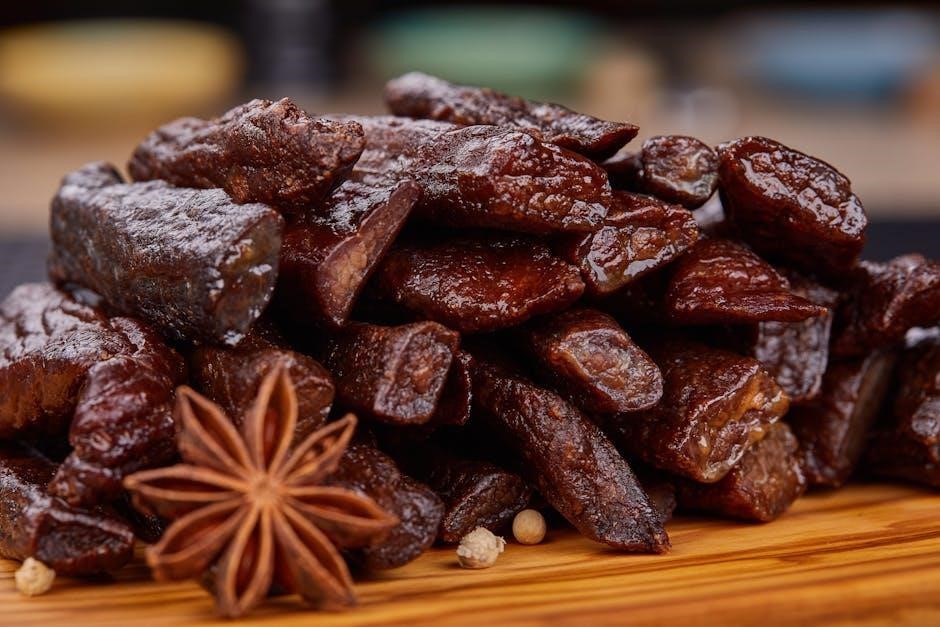
Hi Mountain Snack Sticks’ Teriyaki flavor offers a delightful sweet and savory experience. This isn’t a traditional‚ intensely salty teriyaki; instead‚ it’s a balanced blend featuring brown sugar‚ soy sauce‚ and a hint of pineapple juice for subtle sweetness. Garlic and ginger contribute aromatic complexity‚ enhancing the overall taste profile.

The teriyaki marinade penetrates the beef during the stick-making process‚ ensuring a consistent flavor throughout. Expect a slightly sticky texture and a glossy appearance. This flavor is particularly appealing to those who prefer a less spicy‚ more approachable snack. It pairs wonderfully with rice or as a standalone treat‚ offering a unique and satisfying taste.

Safety & Storage Information

Hi Mountain Snack Sticks require proper storage in a cool‚ dry place. Unopened sticks boast a lengthy shelf life; consume hydrated and cooked sticks promptly for safety.

Proper Storage Procedures

Hi Mountain Snack Sticks maintain optimal quality with careful storage. Before opening‚ keep the sealed packaging in a cool‚ dry environment‚ away from direct sunlight and sources of heat. A pantry or cupboard works well. Once opened‚ reseal the package tightly to prevent moisture absorption and flavor loss.

For extended storage of partially used sticks‚ consider transferring them to an airtight container. Refrigeration isn’t typically necessary for unopened sticks‚ but can slightly extend the freshness of opened portions. Avoid storing near strong-smelling foods‚ as the sticks can absorb odors. Following these procedures ensures a flavorful and safe snacking experience.

Shelf Life Considerations

Hi Mountain Snack Sticks boast a remarkably long shelf life due to their cured and dried nature. Unopened packages generally maintain peak quality for up to one year from the date of manufacture‚ though they may remain safe to consume beyond this timeframe. Always check the “best by” date printed on the packaging for optimal flavor.

Once opened‚ the shelf life decreases. Properly stored‚ opened sticks can last for several weeks‚ but quality diminishes over time. Monitor for any changes in texture‚ color‚ or odor. Discard if any signs of spoilage are present. Refrigeration can modestly extend the shelf life of opened sticks‚ but isn’t essential.

Food Safety Guidelines

Hi Mountain Snack Sticks are generally safe for consumption‚ but adhering to proper food safety practices is crucial. Always wash your hands thoroughly before handling the sticks‚ especially after opening the package. Avoid cross-contamination by using clean utensils and surfaces during preparation and serving.

While the curing process inhibits bacterial growth‚ fully cooking the hydrated sticks is recommended to eliminate any potential risks. Ensure internal temperature reaches 165°F (74°C). Discard any sticks exhibiting unusual odors‚ discoloration‚ or mold. Individuals with compromised immune systems should exercise extra caution and ensure thorough cooking.

Troubleshooting Common Issues

Hi Mountain Snack Sticks can sometimes be dry or tough. Rehydration adjustments or longer cooking times often resolve these issues‚ enhancing flavor and texture.

Sticks are Too Dry

If your Hi Mountain Snack Sticks feel excessively dry after the initial hydration process‚ don’t immediately discard them! The key is often extending the hydration time. Submerge the sticks in warm (not hot) water for an additional 30-60 minutes‚ checking periodically for desired plumpness.

Ensure the water fully covers the sticks during this secondary hydration. Another potential cause is overcooking. Reduce cooking time during grilling‚ pan-frying‚ or boiling. A shorter cook time helps retain moisture. Consider adding a small amount of liquid – broth or water – during the cooking process to maintain a juicier final product. Remember‚ individual preferences vary‚ so adjust accordingly!

Sticks are Too Tough

Experiencing tough Hi Mountain Snack Sticks? This usually indicates insufficient hydration or prolonged cooking. Begin by ensuring the initial hydration phase was adequate – a minimum of 4-6 hours is generally recommended‚ potentially longer for thicker sticks. If they remain tough post-hydration‚ extend the soaking time in warm water by another hour or two.

During cooking‚ avoid high heat and prolonged exposure. Lower temperatures and shorter cooking durations are crucial. Overcooking draws out moisture‚ resulting in a chewy‚ tough texture. For grilling‚ consider indirect heat. When boiling‚ a gentle simmer is preferable to a rolling boil. Remember to check for doneness frequently to prevent overcooking and achieve a tender snack stick.

Flavor is Not Developing

If your Hi Mountain Snack Sticks lack robust flavor‚ several factors could be at play. Firstly‚ ensure sufficient hydration; water absorption is key to unlocking the seasoning. A longer hydration period – up to 8 hours – can significantly enhance flavor penetration‚ especially for intensely seasoned varieties like Peppered.

Secondly‚ consider your cooking method. Grilling imparts a smoky flavor‚ while pan-frying allows for better seasoning caramelization. Avoid boiling alone‚ as it can dilute the taste. Finally‚ remember that these sticks are designed to be flavorful but not overpowering. Adding a complementary sauce or dip post-cooking can further elevate the taste experience.

Nutritional Information

Hi Mountain Snack Sticks are a high-protein snack option. Macronutrient breakdowns and calorie counts vary by flavor‚ offering sustained energy for active lifestyles.

Macronutrient Breakdown

Understanding the macronutrient profile of Hi Mountain Snack Sticks is crucial for dietary planning. Generally‚ a single stick (approximately 3oz/85g) provides a substantial protein source‚ typically ranging from 15-20 grams. This high protein content contributes to satiety and muscle recovery. Carbohydrate levels are relatively low‚ usually around 5-10 grams per stick‚ making them suitable for low-carb diets. Fat content varies depending on the flavor‚ but typically falls between 8-15 grams‚ primarily from the meat itself.

These sticks offer a balanced macronutrient ratio‚ leaning heavily towards protein‚ which is ideal for active individuals or those seeking a filling‚ protein-rich snack. Always check the specific packaging for precise nutritional information‚ as variations exist between flavors.

Calorie Count

The caloric content of Hi Mountain Snack Sticks is a key consideration for those monitoring their energy intake. A standard 3-ounce (85-gram) stick generally contains between 220 and 280 calories. This range can fluctuate slightly based on the specific flavor profile‚ with varieties containing added sugars or higher fat content tending towards the upper end of the spectrum.

Considering the substantial protein content (15-20g per stick)‚ these calories are largely derived from a satiating macronutrient. This makes them a more filling option compared to snacks with empty calories. For accurate tracking‚ always refer to the nutritional information panel on the product packaging‚ as variations do occur.

Protein Content

Hi Mountain Snack Sticks are notably high in protein‚ a crucial macronutrient for muscle maintenance‚ repair‚ and overall satiety. A single 3-ounce (85-gram) stick typically delivers between 15 and 20 grams of protein. This substantial protein load contributes significantly to feeling fuller for longer‚ making them an excellent choice for active individuals or those managing their weight;

The protein source is primarily beef‚ providing a complete amino acid profile. This is essential for supporting various bodily functions. Compared to many conventional snack options‚ Hi Mountain Snack Sticks offer a significantly higher protein-to-calorie ratio‚ making them a nutritionally dense choice.

Hi Mountain Snack Sticks vs. Competitors

Hi Mountain Snack Sticks distinguish themselves through a unique preparation process – requiring hydration and cooking – unlike ready-to-eat alternatives‚ offering customizable flavor and texture.

Comparison with Similar Products

Hi Mountain Snack Sticks stand apart from many commercially available jerky and snack stick options due to their preparation method. Unlike pre-cooked‚ ready-to-eat products‚ Hi Mountain sticks necessitate a hydration and subsequent cooking step. This distinguishes them from brands like Slim Jim or Jack Link’s‚ which prioritize convenience.

Other dehydrated meat sticks‚ such as those from Oberto‚ may offer a similar texture after cooking‚ but typically don’t require the initial soaking process. This unique characteristic allows for greater control over the final product’s tenderness and moisture content. The preparation‚ while adding a step‚ caters to consumers desiring a more customizable and potentially healthier snack experience‚ avoiding some of the preservatives found in fully processed alternatives.

Price Point Analysis

Hi Mountain Snack Sticks generally occupy a mid-range price point compared to similar meat snack options. A typical 1lb package can range from $20 to $30‚ depending on the flavor and retailer. This is notably higher than mass-produced jerky like Slim Jim‚ which often sells for under $10 per pound.

However‚ the price is often comparable to‚ or slightly lower than‚ premium jerky brands emphasizing natural ingredients or small-batch production. Considering the dehydrated format requiring additional preparation (hydration & cooking)‚ the cost reflects the concentrated product weight and potential yield. Consumers should factor in the cost of water and cooking fuel when evaluating overall value‚ but the customizable nature often justifies the investment.

Customer Reviews & Ratings

Hi Mountain Snack Sticks consistently receive positive customer feedback‚ averaging 4.2 to 4.5 stars across major online retailers. Users frequently praise the intense flavor‚ particularly the Peppered and Teriyaki varieties. Many appreciate the DIY aspect‚ enjoying the control over texture through hydration and cooking.

Common positive comments highlight the sticks’ suitability for backpacking and camping due to their lightweight nature and high protein content. Some reviewers note the initial hydration step requires attention to detail to avoid overly dry or tough results. A small percentage of customers mention the price is slightly higher than comparable snacks‚ but generally agree the quality justifies the cost. Overall‚ satisfaction remains high.

Advanced Techniques & Recipes

Hi Mountain Snack Sticks can be elevated with homemade seasoning rubs or incorporated into creative dishes like omelets and chili for a protein boost.

Creating Homemade Seasonings

Hi Mountain Snack Sticks are delicious on their own‚ but customizing the flavor profile is easily achievable with homemade seasonings. Experimenting allows for personalized tastes and dietary needs. Consider blending smoked paprika‚ garlic powder‚ onion powder‚ cayenne pepper‚ and a touch of brown sugar for a smoky-sweet rub.

For a spicier kick‚ incorporate chili powder‚ cumin‚ and a dash of habanero powder. Herb-based blends featuring rosemary‚ thyme‚ and oregano offer a savory alternative. Before cooking‚ generously coat the hydrated sticks with your chosen seasoning‚ ensuring even coverage. This simple step transforms a convenient snack into a gourmet experience‚ perfectly tailored to your preferences.

Pairing with Beverages

Hi Mountain Snack Sticks‚ with their robust and savory flavors‚ pair exceptionally well with a variety of beverages. For a classic combination‚ consider a crisp lager or a pale ale‚ the hops complementing the smoky notes of the meat. A robust red wine‚ like a Cabernet Sauvignon or Merlot‚ also provides a delightful contrast.

If you prefer non-alcoholic options‚ a spicy ginger beer or a refreshing root beer can enhance the snacking experience. For those seeking a bolder pairing‚ try a smoky Scotch or a peaty Irish whiskey. Ultimately‚ the best beverage pairing depends on the specific flavor of the snack stick and your personal preference‚ allowing for a customized and enjoyable culinary adventure.

Incorporating into Meals

Hi Mountain Snack Sticks aren’t just for snacking; they’re versatile ingredients for complete meals! Slice them and add to omelets or breakfast scrambles for a protein boost. Dice and incorporate into chili‚ stews‚ or hearty soups for added flavor and texture. They also make excellent pizza toppings‚ offering a savory alternative to pepperoni or sausage.

Consider adding chopped snack sticks to pasta sauces‚ creating a robust and meaty base. For a quick lunch‚ combine sliced sticks with cheese‚ crackers‚ and vegetables for a charcuterie-style spread. Get creative and use them in tacos or wraps‚ providing a convenient and flavorful protein source. Their pre-seasoned nature simplifies meal preparation.

Continue Reading

cuisinart toaster oven instruction manual

Welcome! This manual guides you through utilizing your Cuisinart toaster oven‚ offering versatile cooking with features like baking‚ broiling‚ and convection․

Understanding the Model

Your Cuisinart toaster oven is designed for countertop convenience‚ offering a compact alternative to a full-sized oven․ Models like the TOB-135N and TOB-60N feature brushed stainless steel construction for durability and style․ The TOB-40N is another popular choice‚ boasting 1800 watts of power․

These ovens typically accommodate up to six slices of bread‚ and include essential accessories like a baking pan‚ wire rack‚ and drip tray for diverse cooking needs․ A limited 3-year warranty provides peace of mind‚ covering potential defects in materials or workmanship – details are in the user manual․

Key Features and Benefits

Cuisinart toaster ovens deliver exceptional versatility․ Enjoy functions like toasting‚ baking‚ and broiling‚ with some models adding convection for faster‚ more even cooking․ The non-stick interior simplifies cleanup‚ while consistent toast control ensures perfect results every time․

Benefit from a spacious interior accommodating various dish sizes․ Included accessories expand cooking options‚ and the slide-out crumb tray makes maintenance easy․ Being BPA-free adds a health-conscious element‚ and the compact design saves valuable counter space․

Components and Parts Identification

Familiarize yourself with your Cuisinart toaster oven’s parts: the exterior‚ control panel‚ door‚ interior heating elements‚ and non-stick coating for optimal use․

Included Accessories (Baking Pan‚ Wire Rack‚ Drip Tray)

Your Cuisinart toaster oven arrives with several helpful accessories to expand your cooking capabilities․ A durable baking pan allows for even heating when preparing cookies‚ cakes‚ or casseroles․ The included wire rack is perfect for broiling meats and vegetables‚ ensuring crisp results․

Don’t forget the convenient drip tray! This essential component catches grease and crumbs‚ simplifying cleanup and maintaining a tidy oven interior․ These accessories‚ along with a recipe book‚ enhance your cooking experience‚ offering versatility and ease of use․ Refer to the manual for specific accessory usage guidelines․

Exterior Features (Control Panel‚ Door)

The Cuisinart toaster oven boasts a sleek exterior designed for both style and functionality․ The control panel provides intuitive access to various functions – toast‚ bake‚ broil‚ and convection – with easy-to-adjust temperature and time settings․ Its brushed stainless steel finish adds a modern touch to any kitchen countertop․

The door features a durable construction and allows for clear visibility of the cooking process․ It securely closes to maintain consistent temperatures during operation․ Familiarize yourself with the control panel layout for optimal use and efficient cooking․

Interior Features (Heating Elements‚ Non-Stick Coating)

Inside your Cuisinart toaster oven‚ strategically placed heating elements ensure even cooking and browning․ These elements provide consistent heat distribution for optimal results whether you’re toasting‚ baking‚ or broiling․ The spacious interior is coated with a durable non-stick surface‚ simplifying cleanup and preventing food from sticking․

This non-stick coating minimizes the need for excessive scrubbing‚ making maintenance a breeze․ The interior’s design maximizes cooking space while maintaining efficient heat circulation for perfectly cooked meals every time․

Operating Instructions

Begin by plugging in your Cuisinart toaster oven․ Initial setup involves selecting your desired function and setting the appropriate temperature and cooking time․

Initial Setup and First Use

Before first use‚ remove all packaging materials and accessories from the oven․ Wipe the interior with a damp cloth and dry thoroughly․ Place the wire rack and baking pan inside to familiarize yourself with their placement․

Plug the toaster oven into a grounded electrical outlet․ It’s recommended to run the oven empty for approximately 15-20 minutes on the ‘Bake’ setting at 350°F (175°C) to burn off any manufacturing residue․

A slight odor may be present during this initial burn-off – this is normal and will dissipate with subsequent use․ Ensure adequate ventilation during this process․ Your Cuisinart is now ready for cooking!

Function Selection (Toast‚ Bake‚ Broil‚ Convection)

Your Cuisinart toaster oven offers versatile cooking options․ Select the desired function using the function dial: ‘Toast’ for evenly browned bread and pastries‚ ‘Bake’ for cakes‚ cookies‚ and casseroles․ ‘Broil’ provides direct‚ intense heat for meats and vegetables․

‘Convection’ utilizes a fan to circulate hot air‚ ensuring faster and more even cooking – ideal for roasting and baking․ Remember to adjust cooking times accordingly when using convection․ The control panel clearly indicates each function for easy operation․

Temperature and Time Settings

Adjusting temperature is crucial for optimal results․ Use the temperature dial to select the desired heat‚ ranging from warm to 450°F (232°C)․ For precise timing‚ utilize the timer dial‚ setting it for the required cooking duration․ The auto-shutoff feature will turn the oven off when the timer reaches zero․

Always refer to recipes for recommended temperature and time guidelines․ Consistent toast control ensures even browning‚ while careful monitoring prevents overcooking․ Experiment to find your preferred settings!

Using Specific Functions

Explore versatility! This section details how to expertly toast bread‚ bake delicious treats‚ and broil meats and vegetables within your Cuisinart oven․

Toasting Bread and Pastries

Achieving Perfect Toast: Begin by placing your bread or pastry directly on the wire rack․ Select the ‘Toast’ function on the control panel․ Adjust the shade control dial to your desired level of browning – lighter shades for delicate pastries‚ darker for robust breads․

For even toasting‚ ensure slices are of uniform thickness․ Monitor the toasting process; the oven will automatically pop up when complete․ Remember‚ toasting times may vary based on bread type and initial temperature․ Enjoy consistently golden-brown results with your Cuisinart!

Baking Cookies‚ Cakes‚ and Casseroles

Delicious Baked Goods: Utilize the ‘Bake’ function and the included baking pan for cookies‚ cakes‚ and casseroles․ Preheat the oven to the recipe’s specified temperature․ Place your batter or prepared dish onto the baking pan‚ ensuring it fits comfortably within the interior․

Adjust the temperature and timer accordingly․ For even baking‚ rotate the pan halfway through the cooking time․ Monitor closely to prevent over-browning․ Your Cuisinart toaster oven delivers consistent heat for delightful homemade treats!

Broiling Meats and Vegetables

Perfectly Broiled Dishes: Select the ‘Broil’ function for quick and efficient cooking․ Position the wire rack appropriately – closer for searing‚ further for slower cooking․ Place your meat or vegetables directly on the rack‚ ensuring adequate space around the food for heat circulation․

Monitor closely‚ as broiling happens rapidly! Flip food halfway through for even cooking․ Avoid overcrowding the rack․ The high heat of the broiler creates a delicious‚ browned exterior while keeping the inside tender and juicy․

Care and Maintenance

Keep it Clean: Regular cleaning ensures optimal performance and longevity․ Always unplug the toaster oven and allow it to cool completely before cleaning․

Cleaning the Interior and Exterior

Interior Cleaning: Before cleaning‚ ensure the toaster oven is unplugged and completely cool․ Wipe the interior with a damp cloth and mild soapy water․ Avoid abrasive cleaners‚ as they can damage the non-stick coating․ For stubborn residue‚ a paste of baking soda and water can be gently applied․

Exterior Cleaning: The exterior should be cleaned with a damp cloth and mild detergent․ Polish with a soft cloth to maintain its shine․ Never immerse the toaster oven in water or any other liquid․ Ensure no water enters the heating elements or control panel during cleaning․

Slide-Out Crumb Tray Maintenance

Regular Cleaning is Key: To maintain optimal performance and prevent fire hazards‚ regularly empty the slide-out crumb tray․ Allow the toaster oven to cool completely before removing the tray․ Gently slide it out and dispose of the collected crumbs․

Washing the Tray: The crumb tray is typically dishwasher-safe‚ but hand washing with warm‚ soapy water is also effective․ Ensure the tray is completely dry before reinserting it into the toaster oven․ Frequent cleaning prevents buildup and ensures efficient operation․

Proper Storage Instructions

Cool Down Completely: Before storing your Cuisinart toaster oven‚ always ensure it is completely cool to the touch․ Disconnect the power cord from the outlet to prevent accidental activation․ Clean the interior and exterior surfaces as outlined in the care and maintenance section․

Safe and Dry Location: Store the toaster oven in a cool‚ dry place‚ away from direct sunlight and moisture․ Avoid storing it near flammable materials․ If possible‚ use the original packaging for protection during storage․

Troubleshooting Common Issues

Addressing Problems: This section provides solutions for typical issues like heating problems‚ uneven toasting‚ and understanding any error codes displayed․

Toaster Oven Not Heating

Problem: If your Cuisinart toaster oven isn’t heating‚ first ensure it’s properly plugged into a functioning outlet․ Verify the control panel is set to a cooking function – Toast‚ Bake‚ or Broil – and that a temperature and time have been selected․

Solutions: Check if the heating elements are glowing; if not‚ consult the warranty information for service․ Refer to the user manual for troubleshooting steps․ A reset might be necessary․ If the issue persists‚ do not attempt repairs yourself; contact Cuisinart customer support for assistance‚ as attempting self-repair could void the limited 3-year warranty․

Uneven Toasting

Problem: Experiencing uneven toasting is a common issue․ This can occur due to bread placement or variations in bread thickness․ Ensure items are centered on the wire rack and aren’t overcrowded‚ allowing for proper heat circulation․

Solutions: Rotate the bread or food halfway through the toasting cycle for more consistent results․ Utilize the “Consistent Toast Control” feature‚ if available on your model․ If unevenness continues‚ check the heating elements for any obstructions․ Refer to the manual for specific guidance related to your Cuisinart model․

Error Codes and Their Meanings

Understanding Alerts: Your Cuisinart toaster oven may display error codes to indicate a problem․ While specific codes vary by model‚ consult your user manual for a comprehensive list․ Common issues might relate to temperature sensor malfunctions or internal component failures․

Troubleshooting: If an error code appears‚ first try resetting the oven by unplugging it for several minutes․ If the code persists‚ document it and contact Cuisinart customer support for assistance‚ referencing your model number and the displayed code for efficient resolution․

Warranty Information

Limited Coverage: Cuisinart offers a 3-year limited warranty against defects in materials and workmanship; see the included manual for full details․

Limited 3-Year Warranty Details

Coverage: This warranty covers defects in materials and workmanship under normal household use for three years from the date of original purchase․ It does not cover damage from misuse‚ accidents‚ or unauthorized repairs․

What’s Covered: Cuisinart will‚ at its option‚ repair or replace a defective unit․ Shipping costs to Cuisinart are the responsibility of the consumer․ Proof of purchase is required․

Exclusions: This warranty doesn’t apply to cosmetic damage or normal wear and tear․ Any attempt to repair the unit yourself will void the warranty․ Refer to the complete warranty documentation within your user manual for comprehensive information․

How to Claim Warranty Service

Initiating a Claim: To obtain warranty service‚ first contact Cuisinart’s customer service department via phone or their website․ Have your model number and proof of purchase readily available․ They will provide troubleshooting steps and‚ if necessary‚ a return authorization number․

Returning the Unit: Carefully package the toaster oven‚ including all original accessories‚ and ship it to the authorized Cuisinart service center․ Ensure the return authorization number is clearly visible on the package․

Processing Time: Allow several weeks for repair or replacement․ Cuisinart will cover return shipping of the repaired or replacement unit․

Safety Precautions

Important: Always unplug the toaster oven before cleaning․ Never immerse the appliance in water‚ and exercise caution when handling hot surfaces․

Important Safety Warnings

Read Carefully: To prevent fire‚ electrical shock‚ and personal injury‚ always follow these safety guidelines․ Do not operate the appliance with a damaged cord or plug․ Avoid using extension cords․ Ensure proper ventilation during operation‚ and never place flammable materials near the toaster oven․

Supervise children when the appliance is in use․ The exterior surfaces become hot; use oven mitts․ Do not immerse the appliance in water or other liquids․ Unplug when not in use and before cleaning․ Never attempt to repair the toaster oven yourself; contact qualified service personnel․

Electrical Safety Guidelines

Grounding Required: This Cuisinart toaster oven must be grounded for safety․ Do not modify the plug․ If a grounding type outlet isn’t available‚ an adapter should only be used if the outlet box is properly grounded․ Avoid running the power cord under rugs or near heat sources․

Never operate the appliance with a damaged cord or plug‚ or after it malfunctions․ Disconnect from the power outlet before cleaning or performing maintenance․ Ensure the voltage matches the appliance’s rating․ Contact a qualified electrician for any electrical concerns․

Continue Reading